Key Technical Points for Soil, Fertilizer and Water Management in Tomato Cultivation
Tomato cultivation is very common in China, and when growing tomatoes, yield and quality are surely issues that everyone pays close attention to. If you want to improve tomato yield and quality, then soil, fertilizer and water management is very important and directly related to it. So when we grow tomatoes, how should we manage soil, fertilizer and water? Today the editor brings you the soil, fertilizer and water management techniques for tomato cultivation. Let us take a look together below!
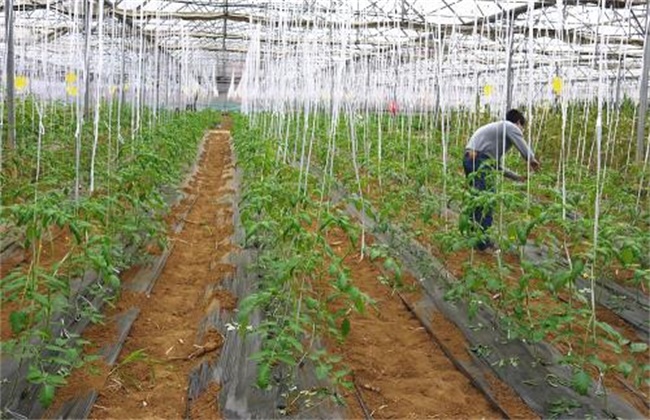
1. Soil management
When growing tomatoes, doing a good job of soil management is the foundation for ensuring scientific fertilization and water use. We should appropriately supplement organic matter to maintain soil quality. When changing crops in winter and spring, the interval is relatively short, so we cannot carry out soil management practices such as closed shed treatment. Usually, after the previous crop is pulled up and the vines are cleared, work such as fertilization, plowing and transplanting should be carried out. Then ridge cultivation should be adopted. Ridge cultivation can effectively improve soil permeability and achieve the goal of cultivating strong roots. We can ensure that organic fertilizer and soil are fully mixed by rotary tilling the soil. The depth of rotary tilling should be kept at about 20cm. After rotary tilling, form ridges, with width and height kept at about 60*20cm respectively.
2. Water management
After tomatoes are planted, cover with plastic film for cultivation, then water with an appropriate amount of seedling-establishing water. After about a week, water a second time with seedling-establishing water, and control the amount of water well. Before tomatoes are topped, that is, during the seedling stage and the flowering and fruiting stage, water once every week. If conditions permit, a tensiometer can be installed to help judge the water content in the soil. Then after topping, as the temperature continues to rise, the water demand of tomatoes will also continue to increase. At this time, water once about every five days. If there are continuous cloudy days, the plant's transpiration decreases, so the watering time should be delayed and the amount of water reduced.
3. Fertilization management
The growth amount of tomatoes is relatively large, the fruit load is relatively high, and the demand for fertilizer is also relatively large. However, the fertilizer tolerance of its roots is relatively poor, so the nutritional requirements for the soil are high. Before rotary tilling the soil, an appropriate amount of calcium phosphate can be applied to supplement sufficient calcium and phosphorus elements for the tomato plants. Then after planting, apply an appropriate amount of water-soluble fertilizer by drip irrigation fertilization. Before topping, fertilize about 4 times. After topping, the fertilizer should mainly be high-potassium formula water-soluble fertilizer, applied about five times.
Then, when tomatoes enter the late growth stage, foliar fertilization can be used to supplement an appropriate amount of medium and trace elements for the tomato plants. During growth, tomatoes have a relatively large demand for calcium. If calcium is deficient, it is likely to cause adverse phenomena such as blossom-end rot and fruit cracking, leading to reduced yield. Foliar fertilizers should mainly be fertilizers such as calcium nitrate water-soluble fertilizer. In addition, attention should also be paid to supplementing trace elements such as boron and zinc, which can promote fruit expansion and increase yield.
The above is a brief introduction to the soil, fertilizer and water management techniques for tomato cultivation. That is all for today's introduction. This article is for reference only, and we hope it can help everyone!