What are the key management points during the pegging stage of peanuts? Explained clearly in one article
The pegging stage of peanuts is the period from the start of flowering until 50% of the plants have developed chicken-head-shaped young pods. It is the period when peanuts shift from vegetative growth to reproductive growth, and it is also a period of vigorous fertilizer demand and sensitivity to water. Management at this time affects the yield and quality later on. So how should peanuts be managed during the pegging stage? Follow the editor to learn more.
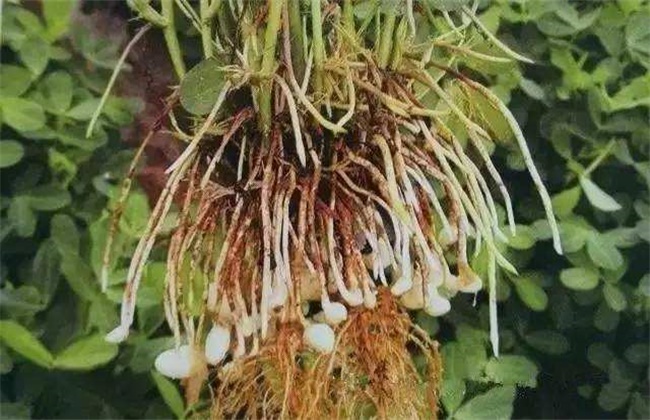
1. Watering and fertilizing
Peanuts are relatively sensitive to water before the pegs enter the soil. If the soil moisture is poor, or if there is insufficient rainfall, irrigation should be carried out in time to supplement water. The pegging stage is a critical period when peanuts shift from vegetative growth to reproductive growth. This is also a period when peanuts have a relatively late and sensitive demand for fertilizer, especially in sandy soil with poor water and fertilizer retention, where topdressing should be done in time. You can apply 100 grams of potassium fertilizer per mu. For fields with poor growth, in addition to applying potassium fertilizer, 2-3 kilograms of urea should also be added per mu to meet the fertilizer needs of peanuts.
2. Intertillage and hilling
Combine intertillage with hilling. First use a hoe to break up the surface soil layer, then mound fine soil toward the peanut roots, which helps peanuts form effective pegging needles. Through intertillage and shallow hoeing, the soil layer can be made loose with good permeability, and it also helps the pegs penetrate downward, improving the pod-setting rate and thereby effectively increasing peanut yield. While intertilling, weeds mixed among the ridges and peanut seedlings should also be thoroughly pulled out from the roots to reduce competition between weeds and peanuts for water and fertilizer, promote vigorous growth of peanut plants, and lay the foundation for high yield.
3. Spraying growth regulators
If the peanut pegging stage has high temperatures and abundant rain with insufficient light, photosynthesis weakens, which affects the accumulation of dry matter in peanuts and leads to reduced flowering. Spraying plant growth regulators during the flowering period can significantly enhance leaf photosynthesis, increase the pollen fertilization rate, promote peg penetration, increase the number of flowers and pods, and strengthen the drought resistance and disease resistance of peanuts. When using plant growth regulators, be sure to pay attention to the concentration, and spray evenly. Do not overspray or miss spots. They can also be mixed with borax solution and sprayed together. At the same time, for vigorously growing plants, spray paclobutrazol once from full flowering to pod-setting stage, which can significantly inhibit plant growth.
4. Pest and disease control
The main insect pests in spring peanut production include aphids, cotton bollworms, and red spiders. Aphids can be controlled by spraying with imidacloprid. The second and third generations of cotton bollworms often move to peanut fields to cause damage and can be controlled by spraying insecticides such as beta-cypermethrin. For red spiders, special pesticides such as pyridaben or saomanjing can be chosen for control. Spring diseases include stem rot and root rot, and prevention should be the main approach. Manage carefully at ordinary times to improve plant disease resistance. Spray with carbendazim or thiophanate-methyl for prevention once a week, which has an excellent control effect.
The above is an introduction to the key management points during the peanut pegging stage. I hope it can help you. If you want to learn more related knowledge, please stay tuned to us.