Detailed Explanation of Key Management Techniques for Garlic at the Seedling Stage
Garlic is a very popular side-dish vegetable in China, and its planting area in China is very large. So there are still quite a lot of people growing garlic now. When growing garlic, we need to carry out management work according to the growth stages of garlic, especially during the seedling stage. So how should garlic be managed during the seedling stage? Today, the editor brings you the management techniques for garlic at the seedling stage. Let's take a look below!
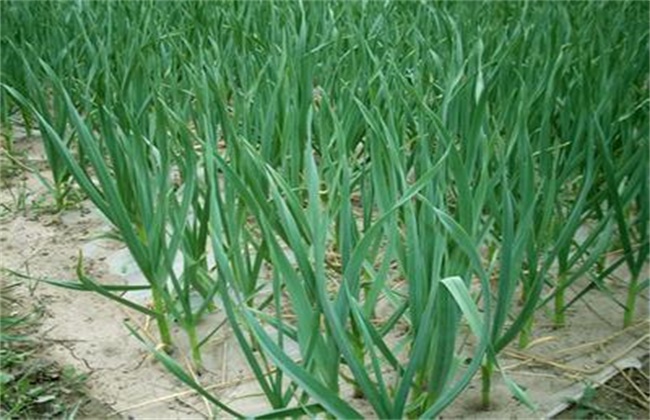
1. Uniform seedling emergence
Ensuring uniform emergence of garlic seedlings is a key management point during the garlic seedling stage. This is because after garlic seedlings emerge uniformly, their growth is more or less the same, and only in this way can the photosynthetic capacity of garlic be ensured, thereby improving the yield and quality of garlic. Moreover, only when garlic seedlings emerge uniformly can healthy and strong garlic seedlings be selected when growing garlic under plastic film mulch. If you want to ensure uniform emergence of garlic seedlings, then when sowing, you first need to soak the garlic seeds to promote sprouting before sowing. In this way, after sowing, the goal of rapid and uniform emergence of garlic seedlings can be achieved.
2. Water and fertilizer control
During the garlic seedling stage, if the soil is not very dry, then basically there is no need to water. Moreover, most garlic cultivation now is mainly based on plastic film mulching, and with plastic film mulching, generally only one watering is needed. Under such soil moisture conditions, it can ensure neat emergence of garlic seedlings and can prevent the occurrence of water shortage. Then the application of nitrogen fertilizer should also be controlled, as excessive nitrogen fertilizer can easily lead to excessive vegetative growth of garlic. If a large amount of fertilizer was applied when sowing garlic, then basically there is no need to apply more fertilizer. However, if during the seedling stage the garlic shows yellow leaves and weak growth, then an appropriate amount of quick-acting fertilizer can be applied.
3. Preventing rotten mother bulbs and freezing damage
During the garlic seedling stage, we should also do a good job of preventing rotten mother bulbs and freezing damage. If garlic is planted in plots with poor soil permeability, then the garlic nutrient body will gradually rot, causing poor nutrition for seedling growth and making it unable to safely overwinter normally. Therefore, we must control watering well, avoid excessive watering causing soil compaction, and cultivate strong seedlings before winter. Then we should also prevent freezing damage to garlic. Before winter arrives, we can apply an appropriate amount of nitrogen, phosphorus and potassium fertilizer to enhance the growth capacity and cold resistance of garlic.
4. Pest and disease control
Pest and disease control during the seedling stage is also very important, with common ones including black spot disease and root rot. For these diseases, commonly used agents include chlorothalonil and mancozeb. The insect pests are mainly root maggots and leafminers, and these pests can be trapped and killed using commonly used insecticides such as phoxim. The seedling stage is a very important period for garlic, and doing a good job of management is very beneficial to the yield and quality of garlic, so everyone must pay more attention to ensure the normal growth of garlic.
The above is a brief introduction to the management techniques for garlic at the seedling stage. That is all for today's introduction. This article is for reference only, and I hope it can help everyone!