How to fertilize garlic in winter? Keep these precautions in mind
Garlic is a very popular vegetable with very high nutritional value, so it is welcomed by many people. Garlic is generally planted in winter, and when planting garlic, fertilization work is very important. There are also many points that require our attention, so what exactly are the precautions? Today the editor brings you the precautions for winter fertilization of garlic, let's take a look together below!
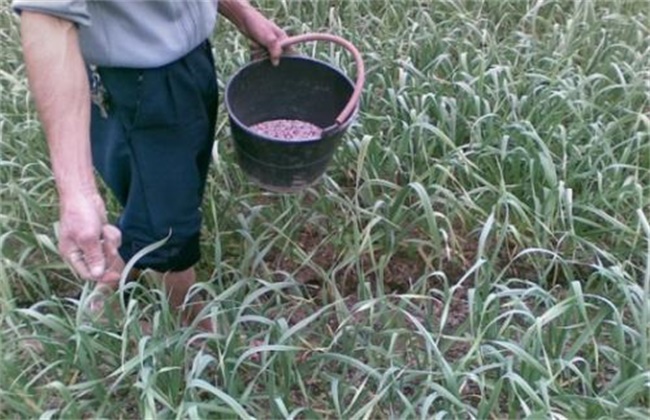
1. Types of fertilizer application
When fertilizing garlic in winter, the first thing we should pay attention to is the type of fertilizer. The winter fertilizer for garlic is generally based on compost and organic fertilizer. These farmyard manures can not only meet the fertilizer needs of garlic, but also have the advantages of long-term fertilizer effect and improving soil structure. However, when fertilizing, attention should be paid to ensuring that the farmyard manure is fully decomposed, to avoid affecting the growth of garlic due to lack of decomposition. This would prevent garlic from growing normally and reduce benefits. If suitable farmyard manure is not available, then compound fertilizer can be used instead, though its effect is naturally not as good as farmyard manure.
2. Fertilization methods
When applying winter fertilizer to garlic, we should also pay attention to the fertilization method. The winter fertilization method for garlic is generally based on band application and water application. When using farmyard manure, we can dig the fertilization furrow into strips along the line. If chemical fertilizer needs to be applied, then the method of digging furrows and holes should be used. And after fertilizing, attention should be paid to covering a layer of soil and watering appropriately. Then we should also pay attention to doing a good job of intertillage and weeding, improving soil permeability, and maintaining a permeable and moist soil environment. This strengthens the absorption and utilization of nutrients by the garlic roots and improves the rate of strong garlic seedlings and economic benefits.
3. Fertilization amount
When fertilizing, the fertilization amount also requires our special attention. The fertilizer amount must never be too much; if there is too much fertilizer, then the fertilizer will generate too much heat, causing seedling burn and leading to a decline in garlic yield. But the fertilizer amount also must not be too little; if there is too little fertilizer, then it will affect the nutrient absorption of garlic seedlings, causing the seedling quality to be too poor to survive the winter normally. So when fertilizing, we should decide according to the soil fertility. If the soil fertility is average, then applying about 2000kg of farmyard manure per mu is enough; if it is chemical fertilizer, then maintaining about 15kg is enough.
Usually, if quick-acting fertilizer is applied before winter, its amount is about 1/4 of the total fertilizer amount. However, if it is a garlic variety prone to cross growth, then the amount should be reduced or not applied. When garlic enters the overwintering period, fertilizer suitable for the winter environment should be applied. Because winter fertilization is mainly to thicken the overwintering protective layer of the garlic root system. Improving the cold resistance of garlic is very beneficial to the growth of garlic and can improve the yield and quality of garlic.
The above is a brief introduction to the precautions for winter fertilization of garlic. That is all for today's introduction. This article is for reference only, and I hope it can help everyone!