What are the prevention and control measures for deformed fruit in bell peppers?
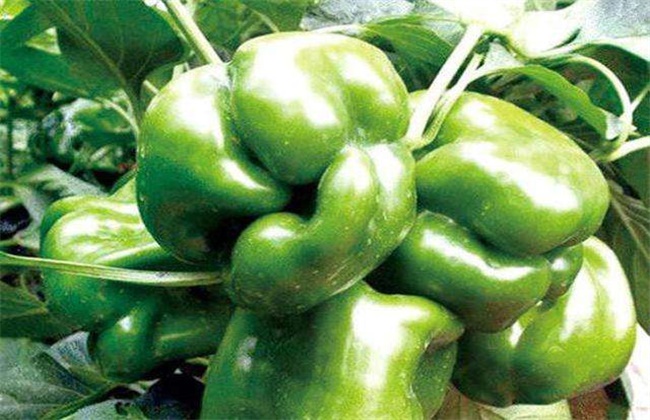
There are many varieties of chili peppers, and bell peppers are transplanted like eggplants. Many friends often use greenhouse technology for cultivation in winter and spring, but because this year's situation is rather special, some vegetable growers have been somewhat lax in management, and when the fruit set, they found that many bell peppers could not hold their fruit, and even if they did set fruit, it was deformed fruit. So how should this situation be prevented and controlled? Let's learn about it together.
1. Temperature regulation during the flowering period
After bell peppers set fruit, pay attention that the temperature must not be too low. At this time, if the temperature inside the greenhouse exceeds 35°C or stays above 32°C for two hours, then the peppers will show poor pollination or fertilization. Deformed fruit in autumn is mainly caused by high temperatures, and this symptom also occurs after fruit set around spring. The fruit is often like a peach, with no well-developed seeds inside. Therefore, try to avoid too-low air temperature or ground temperature in the greenhouse, which affects normal fruit set in bell peppers. Before and after fruit set in spring, compound fertilizer and biological bacterial fertilizer can be applied as a flush fertilizer, which can increase the fruit-setting rate.
2. Balanced fertilization
When bell peppers lack elements such as boron and calcium, deformed fruit will appear, or the seeds will not develop fully. Therefore, in addition to soil fertilization, attention should also be paid to foliar spraying. Frequently spraying foliar fertilizer containing elements such as boron and calcium can effectively promote fruit set in bell peppers. Fertilize in a balanced way, minimize the application of nitrogen fertilizer, and increase the application of potassium fertilizer, such as potassium dihydrogen phosphate and potassium sulfate compound fertilizer, which is beneficial to fruit set.
3. Adjust growth vigor
The growth vigor of bell pepper plants also has a certain effect on fruit set. If the vegetative growth of the plant is too late, causing excessive vegetative growth, the probability of deformed bell pepper fruit will increase. Growth vigor can be adjusted by spraying growth regulators or by pruning and removing side shoots to promote fruit set. If the bell peppers themselves cannot hold fruit, the nutrients will be absorbed by the plant, causing excessive growth of the plant. At this time, chlormequat and daminozide can be sprayed to inhibit plant growth. When spraying, do it on a sunny evening. Temperature control is mainly about controlling night temperature in the early stage to avoid delayed vegetative growth and insufficient reproductive growth affecting the fruit-setting rate.
4. Spraying naphthaleneacetic acid
You can also spray naphthaleneacetic acid during the flowering period of bell peppers, once every 7-10 days, for 4-5 consecutive sprays. This can significantly increase the fruit-setting rate of bell peppers and promote fruit growth, thereby increasing the number of fruits and single fruit weight.
The above is an introduction to the prevention and control measures for deformed fruit in bell peppers. We hope it can help you. If you want to learn more related knowledge, please follow us.