What does tillering in garlic chives mean? A detailed explanation of the meaning of tillering
Garlic chives are a very common vegetable in our daily lives, with very high nutritional value, and they are also welcomed by many people. Currently, the planting area of garlic chives is still very large. When growing garlic chives, if we want to increase the yield of garlic chives, then tillering in garlic chives is very important. However, many people do not know what tillering in garlic chives means. So today, the editor will introduce to everyone what tillering in garlic chives means. Let's take a look below!
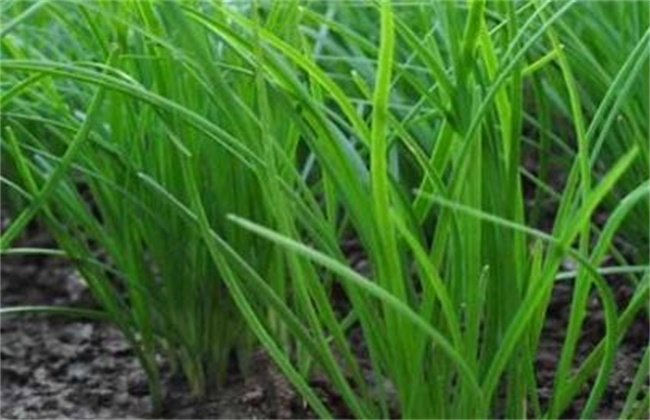
1. What is tillering
Garlic chives are mainly based on rhizomes. The upper part of the plant will grow terminal buds, and the terminal buds will continuously differentiate into new leaves. The lower part grows a root system. When the seedling terminal bud has about 6-7 leaves, the upper part will begin to sprout lateral buds, and the lateral buds will form a separate plant and begin the first tillering process. When the first tillering has developed into a new separate plant and has a certain amount of growth, if nutrients are sufficient, then it will begin to sprout lateral buds, and thus the cycle begins. When the new plant grows large enough, the leaf sheath wrapping it will be broken through, becoming an independent new plant. Then, by analogy, tillering will proceed repeatedly in cycles.
2. Tillering ability of garlic chives
The tillering ability of garlic chives varies according to the planting variety and planting conditions. For example, usually when sown in spring of the same year, if there are good planting conditions, then by July-August of that year, at least about half of the plants can form tillers, and some can even form two tillers. Tillering in garlic chives is the main way for them to renew and rejuvenate themselves and delay aging. For 2-3 year old garlic chive plants, they are in a peak growth period, and at this time the tillering ability of garlic chives is also very strong. Some can even tiller out dozens of plants after three years.
3. Relationship between planting density and tillering
When planting garlic chives, if the planting density is greater, then the number of tillers in garlic chives will be fewer. Many people mainly use sparse planting, and in the first two years, the main purpose is to provide a growing environment for increasing the amount of tillering. After about 3 years, only when the number of tillers reaches a certain amount can yield be guaranteed. Now, when producing garlic chives in protected areas, most attention is paid to high-density planting, and after harvesting about three times in the winter of that year, they will be dug up to plant fruit vegetables.
4. Tillering characteristics
Tillering in garlic chives will not increase without limit. If new tillers continue to appear, then old plants will continue to die. Especially for the old plants in the middle of the clump, because their nutrient conditions are relatively poor, the mortality rate will also be relatively high. Therefore, the number of tillers per garlic chive plant cannot increase without limit. After a certain period of time, the number of plants in the garlic chive clump will remain in a relatively stable state, and sometimes it will even decrease. Therefore, attention should be paid to timely renewal; production cannot continue any longer.
The above is a brief introduction to what tillering in garlic chives means. That is all for today's introduction. This article is for reference only, and I hope it can help everyone!