What are the methods to improve the survival rate of Chinese chive transplanting?
Chinese chive is a vegetable that many people enjoy eating very much. Mainly used as a side dish, it has a wide planting area in our country. Nowadays, growing Chinese chive is generally done mainly by raising seedlings and then transplanting. However, many people find when transplanting Chinese chive that the survival rate is not very high, which then affects the yield. So how do we improve the survival rate of Chinese chive transplanting? Today the editor will give everyone a brief introduction, let's take a look below!
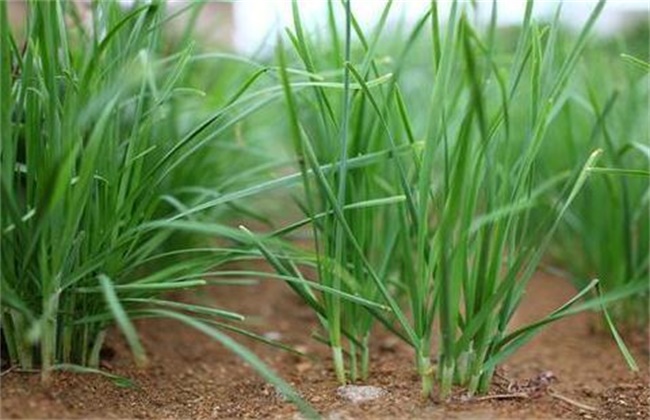
1. Temperature control
Temperature has a great influence on the survival rate of Chinese chive transplanting. Chinese chive has relatively poor tolerance to high temperatures, so when transplanting, be careful that the temperature is not too high. When transplanting, first apply sufficient base fertilizer in the field, with the base fertilizer mainly being decomposed farmyard manure. If it is not fully decomposed, it may cause fertilizer damage to the Chinese chive. Then after applying the base fertilizer, also be careful to water thoroughly. Finally, when transplanting, focus on controlling the temperature well. If transplanting in summer, this is even more important, and you must pay attention to cooling down to ensure the survival rate of Chinese chive transplanting.
2. Transplant at the right time
When transplanting Chinese chive seedlings, we should first cut off about 2/3 of the leaves on the seedlings. This avoids too many leaves causing water to evaporate too quickly. Then after digging out the seedlings, keep the root length at about 2-3 cm. The plant spacing should be controlled at about 1 cm, then cover with soil and water. When covering with soil, the thickness should not be too thick, so that soil can be banked up normally every year to increase the yield of Chinese chive. After transplanting, water about two times. When the seedlings grow to about 15 cm, apply fertilizer once, and apply fertilizer again three weeks later; this can effectively improve the survival rate of Chinese chive transplanting.
3. Quality of the Chinese chive seedlings
When transplanting Chinese chive, pay attention to the quality of the seedlings. If the seedlings are growing relatively weakly, then they should be transplanted in early spring of the following year. This is because when transplanting, we not only cut off the leaves but also properly trim the roots. After transplanting, the Chinese chive also needs a large amount of nutrients and time to grow new roots and leaves. If the growth is already weak to begin with, then it will be difficult for it to recover. Especially in winter, it is very easily frozen to death due to low temperatures, so everyone must pay close attention.
4. Reasonable watering
About three days before transplanting the Chinese chive seedlings, do the watering work well to keep the soil moist. This is also to create a normal growing environment for the transplanted Chinese chive. A moist soil environment can protect the roots of the Chinese chive and allow it to recover normally in the early stage. It is also very beneficial to the survival rate after transplanting. So watering before transplanting is very important, and at the same time be careful to maintain sufficient fertility in the soil. Finally, the field where the Chinese chive is planted should not have previously grown vegetables of the same family as Chinese chive.
The above is a brief introduction to how to improve the survival rate of Chinese chive transplanting. That is all for today's introduction. This article is for reference only, and we hope it can help everyone!