Detailed Explanation of Early Spring Hyacinth Bean Planting Techniques
Early spring is a good season for planting. Although the planting time for hyacinth beans comes a little later in early spring, many places actually plant early spring hyacinth beans. So how should you plant hyacinth beans in early spring? If you do not know, let's learn together!
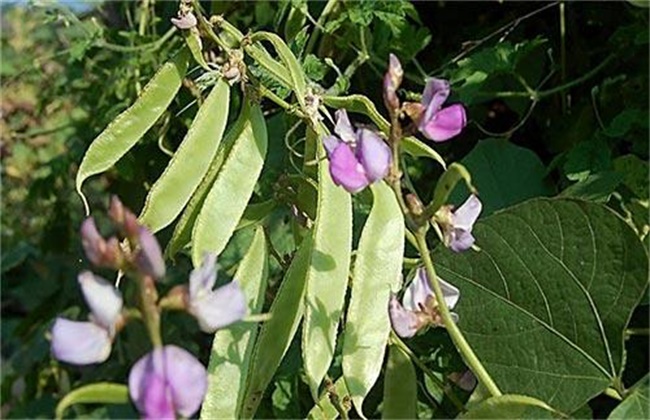
1. Choosing the Time
Planting in early spring depends heavily on timing, because you need to choose a good day. At this time, the temperature is not quite suitable for the growth of hyacinth bean seedlings, so choose consecutive days that are suitable for planting. Generally, cloudy weather is better, because this kind of weather has sunlight but is not too sunny, so after raising seedlings or transplanting, the seedlings will not have their growth affected by temperature. You must not just look at whether the weather is good on that day, because what follows is the key to affecting growth.
2. Raising Seedlings
Next is raising seedlings. The key to raising seedlings in early spring lies in temperature control. At this stage, try not to raise seedlings outdoors, otherwise there will be more things to do. Hyacinth bean seedlings can basically germinate at around 20-plus degrees, so when raising seedlings, just pay attention to keeping the temperature above this. When raising seedlings, do not keep them too stuffy. If there is not enough air, hyacinth bean seedlings will find it very hard to germinate. There is generally special seedling-raising equipment for this, and you can prepare one according to your own needs.
3. Preparing the Soil
Next is preparing the soil. The root system of hyacinth bean seedlings is not deep, so when preparing the soil, mainly break up the surface soil into smaller pieces; it does not need to be too deep. Level the land into strips and leave some furrows in between, which will make it convenient to use support poles for the hyacinth bean seedlings later. The width of each strip should be controlled at about 80-100 cm. Drainage ditches should be interspersed among them, which will make drainage much more convenient, because after the hyacinth bean seedlings grow larger later, it will not be convenient to dig drainage ditches.
4. Transplanting
After raising seedlings is completed, next is transplanting. Generally, transplanting can begin after they reach 10-15 cm, and seedlings of this size have a relatively high success rate after transplanting. When transplanting, the main thing is not to damage the root system. At this time, the hyacinth bean seedlings are all relatively fragile, and the integrity of their root system has a great impact on the normal survival of the hyacinth bean seedlings. When transplanting, the soil does not need to bury too much; it is enough to cover the large roots. Do not press the soil tightly, and decide whether to cover with plastic film according to the temperature.
The above are the planting techniques for hyacinth beans in early spring. In fact, at this stage, the main issue is temperature; otherwise, planting is actually relatively simple and not difficult at all.