Key Field Management Techniques for Lettuce After Transplanting
Lettuce is a vegetable with very high nutritional value, and its main edible parts are the root-stem and leaves, which makes it popular with many people. When growing lettuce, the first thing we need to do is good seedling raising work. And after the lettuce seedlings are transplanted, attention should be paid to strengthening management to ensure the growth of the lettuce. So how should lettuce be managed after transplanting? Today, the editor will briefly introduce this for everyone. Let us take a look below!
1. Timely transplanting
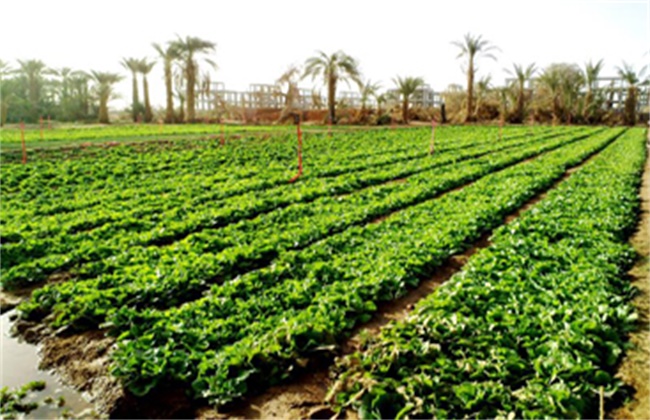
Before transplanting lettuce seedlings, we first need to pay attention to choosing the field for transplanting the lettuce. The planting field for lettuce should mainly be a field with strong water and fertilizer retention capacity, and before planting, attention should also be paid to applying sufficient organic fertilizer, together with an appropriate amount of compound fertilizer. Then do a good job of digging trenches and building beds, level the bed surface of the planting field, and dig the transplanting trenches. When the seedling age is about 25 days and 4-5 true leaves have grown, carry out transplanting with soil in the afternoon. When transplanting, it is generally mainly in the high-temperature season, so attention should be paid to controlling the transplanting time well. Then attention should be paid to watering thoroughly to avoid root damage when lifting the seedlings, and then control the plant and row spacing well, and pour sufficient rooting water after transplanting.
2. Fertilizer and water management
After the lettuce seedlings are transplanted, water them thoroughly and cover them well with a shade net. Water again after about three days, and then pay attention to maintaining moist soil. After the seedlings survive, uncover the shade net, and together with watering, apply an appropriate amount of compound fertilizer per mu. At the same time, attention should also be paid to doing a good job of intertillage and loosening the soil, and restrain seedling growth for about one week. When the seedlings grow to about 30 cm tall and the thickness is about 5 cm, topdress with an appropriate amount of urea or decomposed cake fertilizer. After about two weeks, together with watering, apply an appropriate amount of urea.
During the stem enlargement stage of lettuce, we should also pay attention to properly spraying chlormequat, about once every ten days. An appropriate amount of fresh-keeping agent can also be used, but attention should be paid to controlling the amount of the solution well, and it should be sprayed continuously about 3 times. Avoid bolting of the seedlings, so as to increase the weight of the lettuce stem. Then during the lettuce growth period, we should also pay attention to doing a good job of ditching and drainage, but it should not be too dry either, and appropriate watering should be done. If drought occurs, then water in time to ensure the healthy growth of the lettuce.
3. Pest and disease control
Pest and disease control after lettuce transplanting is also very important. Common pests and diseases in lettuce during growth include leaf spot disease, downy mildew, and aphids. When preventing and controlling pests and diseases, we should use corresponding agents for control. For example, to prevent and control leaf spot disease, thiophanate-methyl should be used, and for downy mildew, chlorothalonil should be used. We should often check the growth of the lettuce. When abnormal conditions are found in the lettuce, the cause should be identified in time, and then corresponding measures should be taken to avoid the spread of the disease and affect the growth of the lettuce.
The above is a brief introduction to how to manage lettuce after transplanting. That is all for today's introduction. This article is for reference only, and I hope it can help everyone!