How to fertilize lettuce scientifically? Key technical points explained
Lettuce is a very common vegetable in our daily lives, and its planting area in our country is also very large. When growing lettuce, if you want to increase the yield of lettuce, fertilization work is indispensable. Rational fertilization is the key to ensuring the healthy growth of lettuce, and fertilization also needs to be carried out according to the lettuce planting method. So how should lettuce be fertilized? Below, the editor brings you the scientific fertilization techniques for lettuce. Let's take a look!
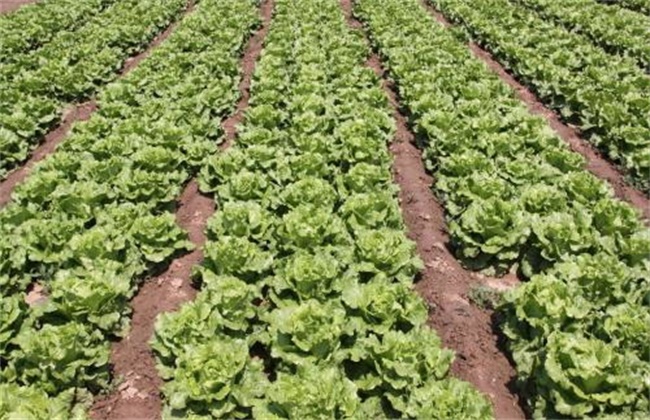
I. Open-field cultivation
1. Application of base fertilizer
Lettuce is generally cultivated in the open field in autumn, and when cultivating in the open field, before transplanting the lettuce, we first need to do a good job of land preparation and bed making. After deep plowing the soil, apply sufficient base fertilizer, with the base fertilizer mainly being decomposed farmyard manure. Apply about 2500kg per mu, together with an appropriate amount of ternary compound fertilizer. When transplanting, it should be done with soil attached to the roots. The transplanting depth should be kept level with the ground surface, and after transplanting, watering should be done well to help the lettuce recover from transplanting as quickly as possible.
2. Rational topdressing
In our daily lives, lettuce is mostly eaten raw. Therefore, when topdressing, it is not advisable to apply human feces and urine. Usually the fertilizer is mainly nitrogen, and during the entire growth period of lettuce, topdressing should be done about three times. It is generally carried out after transplanting recovery, at the rosette stage, and at the heading stage, with each topdressing mainly using urea or compound fertilizer, and the topdressing method is applying with irrigation water. During the entire growth period of lettuce, attention should also be paid to maintaining a sufficient water supply and keeping the soil moist. However, in the middle and late stages of head formation, attention should be paid to controlling watering well to avoid rot of the leaf heads.
II. Greenhouse cultivation in winter and spring
1. Application of base fertilizer
When cultivating lettuce in greenhouses in winter and spring, fertilization is mainly based on base fertilizer, reducing the amount of topdressing and watering as much as possible to avoid diseases caused by excessive humidity. When transplanting, apply about 5000kg of decomposed farmyard manure per mu, together with an appropriate amount of compound fertilizer. Then deep plow the soil and make flat beds. If plastic film mulching is used, small raised beds can be made. When cultivating in a solar greenhouse, the plant spacing and row spacing should be kept at about 30*40cm. When lifting seedlings, dig trenches and holes for planting.
2. Topdressing
During greenhouse cultivation, after the lettuce has recovered from transplanting, water an appropriate amount of recovery water about one week later, then carry out intertillage to do a good job of seedling hardening. When rosette seedlings grow out after about half a month and when the heart leaves are forming heads, apply ternary compound fertilizer or an appropriate amount of urea. Then apply topdressing again during the heading stage of lettuce, but because the temperature in winter and spring is relatively low, the number of waterings should not be too many, to avoid the ground temperature being too low or the humidity being too high. During the heading stage, water supply should be kept uniform, and it must not alternate between dry and wet. This prevents the occurrence of head cracking and affects the growth of lettuce.
The above is a brief introduction to the scientific fertilization techniques for lettuce. That is all for today's introduction. This article is for reference only, and I hope it can help everyone!