A Detailed Guide to the Growth Characteristics and Fertilization Techniques of Lotus Root
Lotus root cultivation is still very common in China, because lotus root tastes very good and is also very rich in nutritional value, so its market demand is relatively large. When growing lotus root, we first need to understand the growth characteristics of lotus root well, and we also need to do a good job with fertilization. So today, the editor brings you the growth characteristics and fertilization of lotus root. Let's take a look together below!
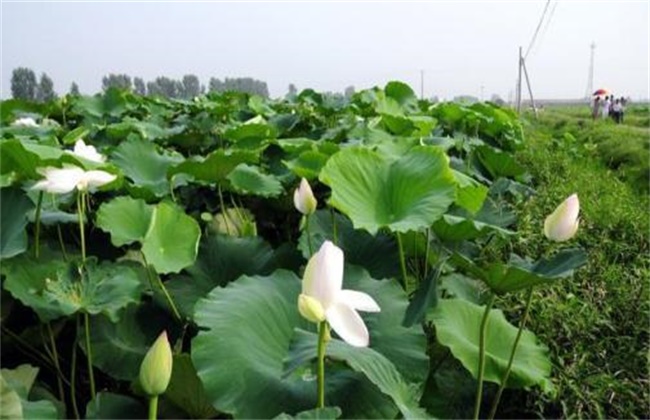
1. Sprouting and growth period
After the seed lotus root begins to sprout, until the standing leaves begin to grow, it is all part of the sprouting and growth period of lotus root. If a mid-to-late maturing variety is planted, then the time is generally within about half a month to one month. When the spring temperature rises to about 15°C, the seed lotus root in the soil will begin to sprout and grow. Before the standing leaves have emerged, the main nutrient source of lotus root is mainly the nutrients stored in the seed lotus root. Seed lotus roots are generally relatively plump. If the soil fertility is sufficient, the water level is relatively shallow, and the temperature is relatively high, then it can promote the early growth of standing leaves.
2. Vigorous growth period
From when the lotus root plant produces its first standing leaf until the emergence of the back leaf, it is all part of the vigorous growth period of lotus root. If it is a mid-to-late maturing variety, then the time is generally about two months. As the temperature continues to rise, the vegetative growth of lotus root will also accelerate. Usually, when about two standing leaves have grown, the main stem of the lotus root will begin to branch, and at this time the roots, stems, and leaves of the lotus root will begin to grow comprehensively. After about 6-7 standing leaves have grown on the main stem, flower buds will begin to appear. This period is the peak period of nutrient demand for lotus root. It is necessary both to ensure the vigorous growth of the roots and lotus rhizome runners and to avoid excessive vegetative growth of the plant, which would delay the time of lotus root formation.
3. Lotus root formation period
The lotus root formation period of lotus root is after the emergence of the back leaf, until the new lotus root is fully swollen. This time is about three months. The growth of the back leaf indicates that the underground stem has begun to extend from the horizontal direction toward a slanting downward direction. The internodes will begin to gradually shorten and swell, accumulating nutrients, thereby forming new lotus roots. New lotus roots have a high water content, and the content of dry matter such as starch and protein is relatively low, so it takes about two months to fully mature. When the underground part begins to gradually form lotus roots, the aboveground part will also gradually bloom and bear fruit.
4. Application of potassium fertilizer
Professional data surveys have shown that when growing lotus root, reasonable application of potassium fertilizer can effectively promote the growth of lotus root standing leaves. It increases the number of lotus root standing leaves and the area of photosynthesis, and at the same time can also increase the water content in various tissues and organs within the lotus root plant. It delays the aging rate of floating leaves and standing leaves, thereby improving the formation and accumulation of photosynthetic substances during the growth period of lotus root. Reasonable application of potassium fertilizer can also extend the maturation period of lotus root, thereby increasing the yield of lotus root.
The above is a brief introduction to the growth characteristics and fertilization of lotus root. That is all for today's introduction. This article is for reference only, and I hope it can help everyone!