What are the benefits of returning corn stalks to the field?
Corn is very common in our daily lives, and its planting area is also very large. Corn not only has very high nutritional value and is welcomed by many people. Moreover, after the corn harvest, the corn stalks can also be returned to the field as fertilizer, and this is now strongly promoted by the state. But what are the benefits of returning corn stalks to the field? And what precautions should be taken? Below, the editor will give you a brief introduction. Let's take a look!
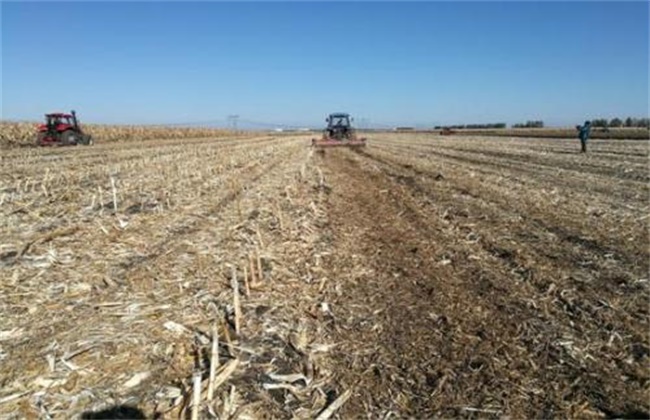
1. Increasing soil nutrients
Corn stalks themselves actually contain certain nutrients, including basic elements such as nitrogen, phosphorus, and potassium, as well as various trace elements. These are all nutrients left over from growing corn. After the corn stalks are returned to the field, these nutrients are effective nutrition for improving the soil fertility of the soil. Therefore, after harvesting the corn, returning it to the field, and then planting the next season's crop, it can provide some of the nutrients for it.
2. Increasing soil microbial biomass
Returning corn stalks to the field can not only improve the nutrient level and fertility of the soil. At the same time, it can also effectively increase the number of microorganisms in the soil and improve the activity of soil microorganisms. It improves the soil environment and enhances the coordinated capacity of water and fertilizer in the soil. Moreover, the increase in the number of microorganisms in the soil is very good for soil improvement. The soil's ability to retain water and fertilizer will also be enhanced, so it is very good for the growth of the next crop.
3. Improving the ecological environment
Before the idea of returning corn stalks to the field was proposed, after each corn harvest, the method of handling corn stalks was mainly burning. Burning corn stalks has a great impact on the ecological environment. The smoke produced by burning corn stalks not only pollutes the environment, but is also very harmful to human health. Since corn stalks have been returned to the field, the level of air pollution each year has decreased significantly. Therefore, returning corn stalks to the field can also effectively improve the ecological environment and reduce environmental pollution.
4. Precautions
When we return stalks to the field, we must pay attention to the amount returned. Because the amount of corn stalks acceptable per mu is limited, it is not possible to return all the stalks to the same mu of field. Under a certain amount, an appropriate amount of nitrogen fertilizer can be applied. Because when the soil decomposes the stalks, the stalks will absorb part of the nitrogen element in the soil. If nitrogen fertilizer is not supplemented in time, then the next crop may show yellowing due to nitrogen deficiency. Then attention should also be paid to doing the watering work well, which can both reduce the phenomenon of wind loss and is also very beneficial to the decomposition of the stalks.
The above is a brief introduction to the benefits of returning corn stalks to the field. That is all for today's introduction. This article is for reference only, and I hope it can help everyone!