What are the precautions for growing radishes? Explained clearly in one article
Radish is a very common root vegetable in our daily lives, and especially in winter, it is the peak season for radishes. Moreover, radish has very high nutritional value and contains many nutrients, so quite a lot of people grow radishes nowadays. However, when growing radishes, there are many things we need to pay attention to. What exactly are they? Below, the editor brings you the precautions for growing radishes. Let's take a look!
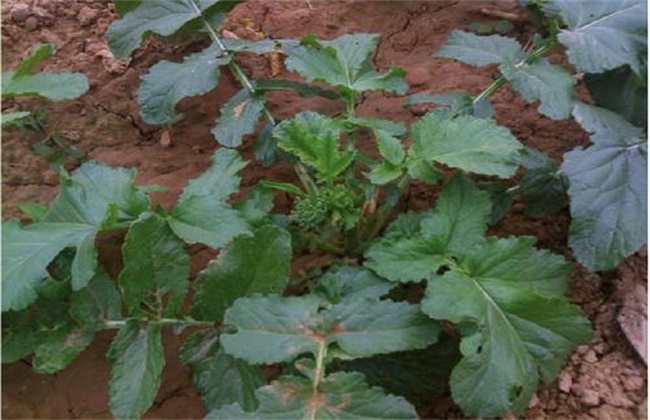
1. Premature bolting
When growing radishes, if cultivation is carried out in spring, summer, and autumn in the north, and the seeds encounter low temperatures when they begin to germinate, or the seeds are too old and the sowing time is too early, then premature bolting of radishes is very likely to occur. And if the variety is unsuitable or there is high temperature and drought, then it is also possible. Therefore, we should pay attention to choosing a variety with strong winter hardiness and use new seeds for sowing. Control the sowing time well, improve the varietal characteristics of the radish, and avoid variety mixing.
2. Pithiness
Pithiness is also something we often need to pay much attention to when growing radishes. There are many reasons that cause radish pithiness, among which the main one is that the fleshy roots of some radish varieties are too soft and expand too quickly. In addition, improper water and fertilizer management in the later stage of cultivation, high temperature and drought, and applying too much nitrogen fertilizer and too little potassium fertilizer during fertilization can also easily lead to radish pithiness.
3. Cracked roots
Cracked roots are also a common occurrence during radish growth. The main cause of cracked roots in radishes is uneven water supply during the early stage of fleshy root expansion. Cracked roots can have a very large impact on radish yield and are also very unfavorable to its quality. Therefore, in order to prevent cracked roots, during the fleshy root expansion period of radishes, we should pay attention to maintaining a uniform water supply, rationally apply boron fertilizer, and improve the toughness of the radish fleshy roots.
4. Spicy and bitter taste
Many people feel that radishes have a spicy taste when eating them. The spicy taste of radishes is mainly caused by drought and high temperature, lack of nutrients, damage from pests and diseases, and incomplete expansion of the fleshy root. The cause of the bitter taste is mainly excessive application of nitrogen fertilizer during fertilization and neglect of phosphorus and potassium fertilizer application. Therefore, we should pay attention to strengthening fertilizer management and carry out scientific formula fertilization.
5. Forking
Forking can seriously affect the quality of radishes. Radish forking is mainly caused by lateral roots transforming from absorption roots into storage roots. During fertilization, if the fertilizer is not fully decomposed, the soil tillage layer is too shallow, and the land preparation quality is poor, then radish root forking is very likely to occur. At the same time, when replanting, if the main root is damaged, then the growth of the main root is affected, resulting in deformity.
The above is a brief introduction to the precautions for growing radishes. That is all for today's introduction. This article is for reference only, and I hope it can be helpful to everyone!