Barley Sowing Time and Field Management Key Points
Barley is one of the main grain crops in China and is grown in all parts of the country. Barley has very high nutritional value, and although it is not a staple food, it still has great market demand. Therefore, there are still many people growing barley today, and when growing barley, the first thing we need to do is manage it well. We need to pay attention not only to the sowing time, but also to good management. So let's take a look below at barley sowing time and management!
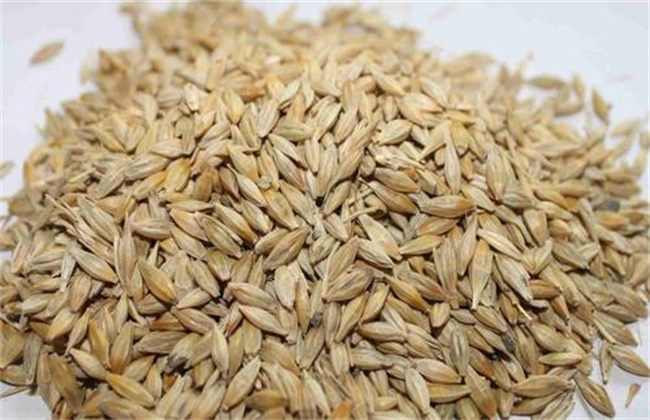
1. Sowing time
Barley is generally sown in August-September each year, that is, in autumn. Barley cultivation is fairly common in China, and although it is generally sown in autumn, the specific sowing time varies because of differences in climate and regional environment. For example, in provinces such as Hebei, it is mostly sown in autumn. But in provinces such as Qinghai, it should be sown in March-April. Because of the influence of climate, the temperature difference between day and night differs, and the times of sowing and maturity also differ. So when sowing, everyone should pay attention to sowing at the right time according to the local climate, environment and soil.
2. Fertilization management
When growing barley, if you want barley to be high-yielding, then fertilization work is very important. First, we need to apply sufficient base fertilizer, mainly farmyard manure, at about 3000 kg per mu. Combine it with an appropriate amount of nitrogen, phosphorus and potassium fertilizer. Among these, phosphate fertilizer should be used as seed fertilizer and applied all at once. Topdressing is mainly carried out according to the growth stage of barley, and generally includes tillering fertilizer, booting fertilizer and so on. The amount of fertilizer used should be properly controlled according to the actual growth of the barley and the soil fertility; do not apply too much fertilizer, to avoid fertilizer damage.
3. Water management
In addition to doing a good job of fertilization management, we should also pay attention to water management. Barley is relatively poor in both waterlogging tolerance and drought tolerance. Although it likes a moist environment, it is afraid of waterlogging and also afraid of drought. So water management for barley is also very important. When watering, we should likewise water reasonably according to the growth of the barley. For example, seedling water, tillering water, booting water and so on. After thoroughly irrigating the barley field, if water accumulates in the barley field, then we should also pay attention to draining the accumulated water in time, to avoid too much water causing root rot and affecting the growth of the barley.
4. Preventing lodging
Barley is relatively prone to lodging, so we should also pay attention to preventing barley lodging. Generally, barley is very prone to lodging after heading. First, pay attention to controlling the planting density of barley well, and do not plant too densely. Control the sowing rate per mu well, do a good job of fertilizer and water management, and appropriately increase the application rate of phosphate and potassium fertilizer. However, note that nitrogen fertilizer should not be applied too much. When the barley enters the late wax ripening stage, it should be harvested at the right time. Harvesting should be done on sunny days to ensure yield and quality.
The above is a brief introduction to barley sowing time and management. That is all for today's introduction. This article is for reference only, and I hope it can help everyone!