What are the soybean fertilization techniques? Master the key fertilization points in one article
Soybeans are very common in our daily lives, and soybeans are also the main raw material for making various soy products. Therefore, soybeans still have a relatively large planting area in our country. When planting soybeans, if you want to increase yield, then fertilization work is very important. So when planting soybeans, what are the fertilization techniques? Today the editor will briefly introduce them to you. Let's take a look below!
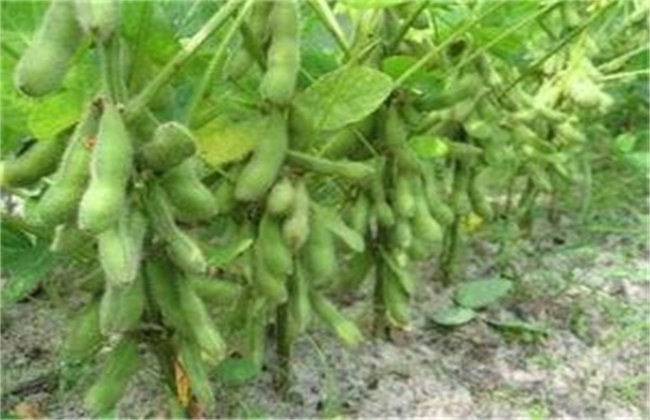
1. Fertilizer requirements
During the flowering and podding stage of soybeans, it is a peak period for dry matter accumulation in soybeans. At this time, the absorption of nutrients such as nitrogen, phosphorus, and potassium by soybeans reaches its peak. Among them, the demand of soybeans for nitrogen is very large. Although soybean root nodules can fix nitrogen, their nitrogen requirement is still very large. However, because they themselves have nitrogen fixation, less can be applied. In addition, attention should also be paid to the supplementation of calcium and sulfur. Reasonable supplementation of calcium and sulfur can effectively improve soybean yield and quality, so everyone should pay more attention.
2. Fertilization principles
When fertilizing soybeans, we should pay attention to a reasonable combination of fertilizers such as nitrogen, phosphorus, and potassium. Nitrogen fertilizer should be applied in an appropriate and small amount, and the early flowering stage is the key point for topdressing. At the same time, attention should also be paid to supplementing medium and trace elements such as calcium and sulfur. Methods such as foliar fertilization and seed dressing with micro-fertilizers can be used. It is best to use rhizobium agents for mixed seed dressing to improve the nodulation efficiency of soybean plants. At the same time, attention should also be paid to the relationship between continuous soybean cropping and fertilization. If continuous cropping is serious and unavoidable, then an appropriate amount of nitrogen fertilizer can be added, or a general-purpose compound fertilizer can be selected. Prevent the decline of soybean nitrogen fixation capacity.
3. Strengthen management
When planting soybeans, we should carry out deep plowing and land preparation combined with the application of organic fertilizer. If it is spring soybeans, then after the previous crop is harvested in autumn, deep plowing should be carried out to about 20 cm, and then sowing should be done in spring. For summer soybeans, deep plowing can be carried out before planting wheat, and shallow plowing and rush planting can be carried out before planting soybeans. At the same time, we should also use different cultivation and sowing methods according to the local climate, soil environment, and mechanical conditions.
In addition to mechanized layered fertilization work, we should pay attention to topdressing an appropriate amount of nitrogen fertilizer at the early flowering stage of soybeans. At the soybean seedling stage, we should do a good job in intertillage, hilling, and weeding. At the same time, during the flowering and podding stage, if drought is encountered, then attention should also be paid to doing a good job in watering. Through various prevention and control measures such as agricultural, biological, and chemical methods, do a good job in the prevention and control of pests and diseases to ensure the normal growth of soybeans.
The above is a brief introduction to what the soybean fertilization techniques are. That's all for today's introduction. This article is for reference only, and I hope it can help everyone!