A detailed explanation of rice's fertilizer requirements: scientific fertilization is more efficient
Rice can be said to be the number one food crop in our country, and in most provinces the staple food every day is rice. Rice is basically grown in all parts of our country, and when growing rice, if you want to increase rice yield, then fertilization work is indispensable. When we fertilize rice, we first need to understand rice's fertilizer requirements well. So today, the editor will give everyone a brief introduction to rice's fertilizer requirements. Let's take a look below!
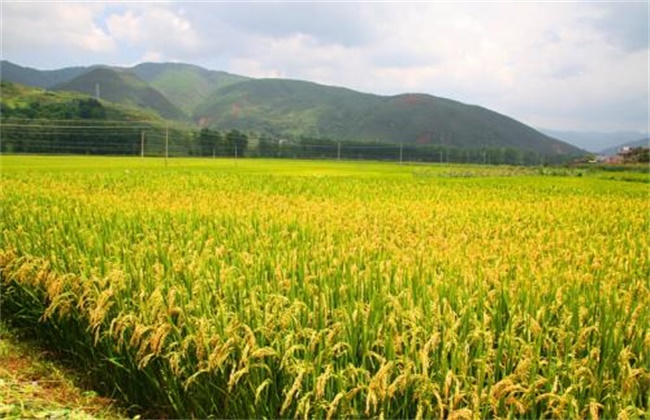
1. Fertilizer requirements
Throughout its entire growth period, rice needs more than a dozen nutrient elements. However, its absorption amount will decrease because the soil's supply is insufficient. Among them, the three main nutrient elements are nitrogen, phosphorus and potassium, and rice's absorption of nitrogen, phosphorus and potassium will differ depending on yield and growth stage. For example, during the vigorous tillering stage and the heading and flowering stage, rice's demand for nitrogen becomes greater. If nitrogen fertilizer is applied at this time, it can increase starch yield and quality. And if nitrogen is insufficient before rice heading, then it will cause insufficient nutrition in the grains, thereby reducing quality.
2. Phosphorus absorption
Rice's demand for phosphorus is also relatively large, and when fertilizing we naturally cannot ignore the supplement of phosphorus. However, rice's absorption of phosphorus does not differ much among the various growth stages. The period of relatively large absorption is generally during the tillering stage and the young panicle differentiation stage. Phosphorus is very important for rice growth. It can promote the growth and development of rice roots, promote nutrient absorption, and can also enhance tillering ability and improve grain plumpness.
3. Potassium absorption
Then there is the absorption of potassium. Rice's absorption of potassium is also very large. Generally, from rice panicle differentiation all the way to the heading and flowering stage is the main period of potassium absorption. Then there are the rice tillering stage and panicle differentiation stage. For rice, potassium is an essential nutrient for synthesizing starch and cellulose and for transporting nutrients in the rice plant. It has the effect of improving root vitality, delaying leaf senescence, and improving resistance to pests and diseases.
4. Trace elements
In addition to the common elements above, the two trace elements silicon and zinc also have a relatively large impact on rice growth. The stems and leaves of rice plants contain about 15% silicon dioxide. If silicon fertilizer is applied reasonably, it can enhance the plant's resistance to pests and diseases and its lodging resistance. Thereby achieving the goal of increasing yield, and it can also improve rice quality. Zinc fertilizer, on the other hand, can increase the number of grains per panicle and the 1000-grain weight of rice, reduce the empty grain rate, and play a role in increasing yield, especially with a more obvious effect on calcareous alkaline soil.
The above is a brief introduction to rice's fertilizer requirements. That is all for today's introduction. This article is for reference only, and I hope it can be helpful to everyone!