Analysis of the Causes of Poor Sugar Beet Emergence and Control Methods
Sugar beet is planted over a wide area and is cultivated throughout the country, but for growers, poor sugar beet emergence seriously affects the returns from sugar beet cultivation and reduces farmers' income. So what causes poor sugar beet emergence? How should it be controlled? Let's take a look together.
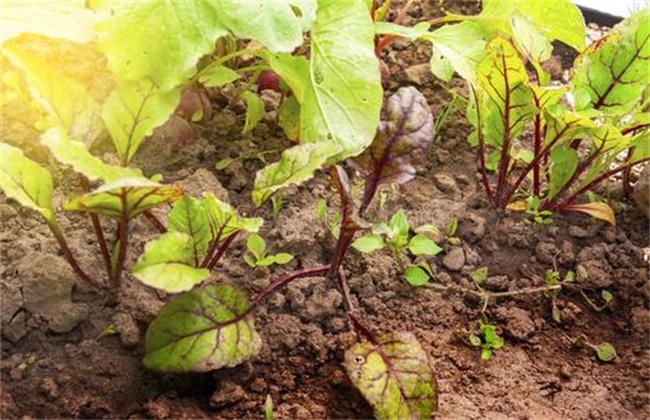
1. Continuous application of chemical fertilizers for years
Nowadays, the use of chemical fertilizers is widespread, and many farmers choose to apply chemical fertilizers to increase yields, but the problem of chemical fertilizer abuse has also become increasingly prominent, and the environmental pollution and ecological damage caused by irrational fertilizer use and low utilization rates are serious. Frequent use of chemical fertilizers is an important cause of soil compaction that reduces yield, and sugar beet seedlings are weak and have poor soil-breaking ability, so soil compaction inhibits sugar beet emergence.
Control method: Apply more organic fertilizer. Organic fertilizer has important effects such as comprehensive nutrients, long fertilizer efficiency, less pollution, increased soil fertility, and improved crop yield and quality. After being composted and decomposed, it can accelerate the decomposition and release of nutrients, reduce pest and disease damage, and also improve soil aggregate structure and reduce soil compaction.
2. Too thick soil covering
Sugar beet seedlings have poor soil-breaking ability, and the sowing depth is generally controlled between 2-2.5 cm. Once the sowing depth exceeds 5 cm, it will make emergence difficult. In addition, when sowing, seeds are required to be distributed evenly and at a consistent depth, ensuring no missed sowing, no floating seeds, and no gaps in the rows.
Control method: When sowing, the soil covering should not be too thick, and should be controlled within 2-5 cm as much as possible. Both too shallow and too deep are unfavorable for sugar beet emergence, and this point requires special attention.
3. Improper use of herbicides
In plots with severe weed damage, many farmers, to save money and for convenience, often do not consider whether residual herbicide damage will affect sugar beet seedlings, and spray some herbicides harmful to sugar beet growth, causing severe sugar beet seedling death.
Control method: When using herbicides, pay attention to the dosage, concentration, and type of the agent, and choose low-toxicity and high-efficiency herbicides to reduce the impact of herbicides on sugar beet as much as possible. If there are few weeds, manual weeding is recommended.
4. Temperature effects
Sugar beet seeds have the characteristic of being able to germinate at low temperatures, which provides conditions for early sowing of sugar beet. Generally, there is a return of frost in early spring. If sown too early at this time, germination is slow under low temperatures and the seeds cannot germinate for a long time, and the emergence time may be delayed by about one month. In this way, the seedlings in early spring are weak and the root system is not well developed.
Control method: Before sowing, the seeds can be soaked and pregerminated, which can greatly shorten the seed emergence time.
The above is an introduction to the causes of poor sugar beet emergence and control methods. We hope it can help you. If you want to learn more related knowledge, please stay tuned to us.