A complete analysis of the key points of sweet corn cultivation techniques
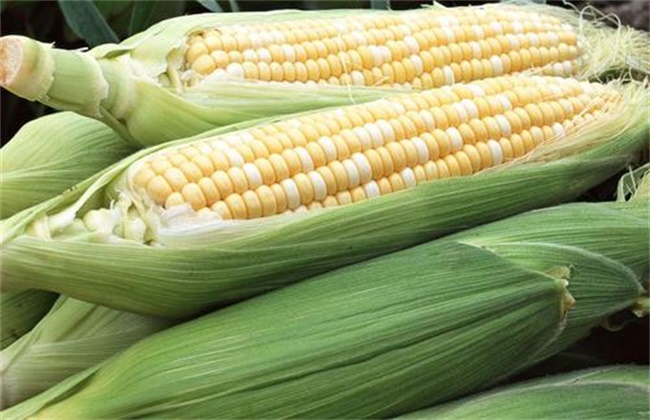
Sweet corn is a type of corn and is also very popular in our country. Compared with ordinary corn, sweet corn tastes sweeter and has slightly higher nutritional value. Therefore, many people are now growing sweet corn, but the cultivation method for sweet corn is somewhat different from that for ordinary corn. So how should sweet corn be grown? Below, the editor brings you the cultivation techniques for sweet corn. Let's take a look!
1. Isolated cultivation
When growing sweet corn, we need to cultivate it in isolation from ordinary corn, and the spacing should be kept at about 400 m. Isolated cultivation is divided into spatial isolation and temporal isolation, and spatial isolation is mostly used. However, no matter which isolation method is used, the main purpose is to ensure that the pollen of the two types of corn does not meet. When growing sweet corn, attention should also be paid to doing a good job in field selection and land preparation. On the premise of ensuring soil moisture, the soil should be plowed and then harrowed. Keep the soil fine and crumbly, loose on top and firm below, and because sweet corn kernels are not plump, the emergence ability of the plumule is relatively poor, so sowing must not be too deep, to ensure a full stand.
2. Planting density
When determining planting density, attention should be paid to controlling it according to the varietal characteristics of sweet corn, the climate, and water and fertilizer management. Because sweet corn itself is a commodity, attention should also be paid to the product characteristics of the ears. It is not possible to focus only on yield, because the ears are purchased by grade. Generally, it is mainly for export processing, so we should increase the rate of first- and second-grade products as much as possible. At the same time, the planting density should also be adjusted according to commodity requirements and economic benefits, to ensure economic income per unit area.
3. Raising seedlings and mulching with film
The economic benefits of sweet corn are very closely related to its time to market. It shares common characteristics with some common vegetables. For example, in northern regions, if it can be marketed during the off-season for fruit, then its economic benefits will naturally increase. And if you want to control the time to market of sweet corn well, then raising seedlings under film is key. Especially for northern regions that need early marketing, generally sowing at the end of March and choosing early-maturing varieties means it can be harvested and marketed around June. For early spring planting, it is best to carry out winter irrigation to preserve soil moisture, to prevent watering in early spring from affecting the rise of soil temperature.
4. Sowing in stages
Sweet corn is now mainly grown to sell fresh tender ears or for factories to process into canned goods. Therefore, it is completely different from ordinary corn, and we need to predict market conditions well and reasonably determine the sowing period. Sweet corn is highly seasonal, so it needs to be harvested and marketed within a short time. If it is to be processed, then we also need to arrange production and harvesting plans according to the processing capacity of the processing plant, to ensure the yield and quality of sweet corn. If it is for selling fresh tender corn, then sales volume needs to be taken into account. Therefore, in production, we should sow in stages, or adopt the method of planting early, middle, and late varieties in combination.
The above is a brief introduction to sweet corn cultivation techniques. That is all for today's introduction. This article is for reference only, and we hope it can help everyone!