Reasons Why Corn Ears Don't Fill Out to the Tip and How to Fix It
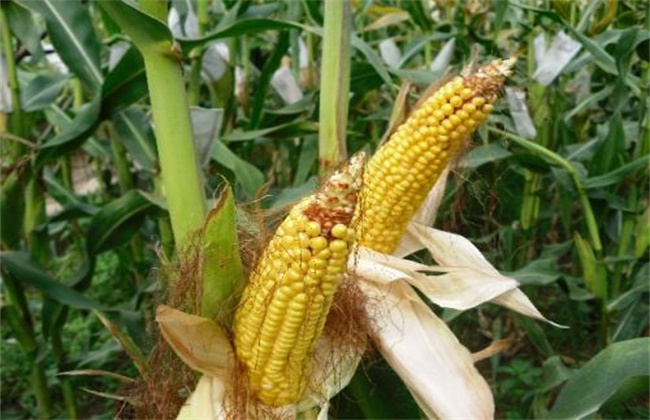
Corn ears not filling out to the tip, also called bare-tipped ears, refers to the phenomenon where the top of the corn ear fails to set kernels and the grains are not plump and do not reach the tip. This can seriously affect corn yield increases, severely harm corn production, and affect farmers' income. So what should be done about corn ears that don't fill out to the tip? Let's take a look together.
1. Push Hard with Ear Fertilizer
Corn ear fertilizer is topdressing applied 10 days before tasseling. This is the period when corn is in both vegetative and reproductive growth at the same time, and young ear differentiation has entered the peak stage of female and male floret differentiation, making it the key period that determines ear size and kernel number. It is also the period of the greatest fertilizer demand throughout the entire growth period of corn, with fertilizer demand at this stage accounting for more than 50% of the total topdressing amount. Especially for medium- and low-yield fields and plots that run short of fertilizer later on, it is even more important to push hard with ear fertilizer and increase the topdressing amount, generally applying 25-30 of ammonium bicarbonate per mu, while also supplementing with an appropriate amount of phosphorus and potassium fertilizer to increase kernels and fill out the tip.
2. Alternate-Row Detasseling
When the corn tassel has just emerged and has not yet released pollen outward, it is necessary to remove the tassel from every other row. This can save nutrients and concentrate their supply to the ear, causing the ear to silk earlier, helping the male and female flowering periods meet so as to raise the pollination rate, increase kernels per ear, and reduce the bare-tip phenomenon. Detasseling is generally done from 9 a.m. to 4 p.m. When detasseling, the main thing is not to damage the leaves. The number detasseled should be about 30%-40% of the total plant number; too many will affect pollination.
3. Supplemental Pollination
In order to further increase the pollination and fertilization rate, during the corn flowering period it is necessary to seize the time and manually collect pollen and spread it onto the ears, collecting and applying it at the same time to increase the fertilization rate. During pollination, if fertilization is affected because the silks are too long, the silks can be appropriately shortened, leaving about 1-2 cm, so that they form a pom-pom shape and do not cover each other, which is beneficial for pollination and fertilization. Supplemental pollination can greatly reduce the bare-tip phenomenon, increase kernels, make the ears plump with kernels, and improve yield and quality.
4. Drought Resistance and Drainage
During the grain-filling period of corn, both water shortage and drought and standing water are extremely unfavorable. If there is drought, water should be applied in time to resist it, and after watering, the soil should be loosened by intertillage to ensure the corn has sufficient water to complete grain filling. If there is a lot of rain, drainage ditches should be cleared in time and standing water removed promptly, which is beneficial for completing grain filling.
The above is an introduction to what to do when corn ears don't fill out to the tip. I hope it can help you. To learn more related knowledge, please keep following us.