Causes of and Control Methods for Wheat Dead Seedlings in Winter and Spring
Wheat is one of China's main food crops, and it is widely planted mainly in the northern regions of China. Wheat cultivation is generally dominated by spring wheat and winter wheat, and when growing wheat, many problems can arise that affect wheat yield and quality. Among them, dead seedlings in winter and spring are one such problem, so what should be done about wheat dead seedlings in winter and spring? The main approach is still prevention first. Below, the editor will give a brief introduction for everyone, so let's take a look together!
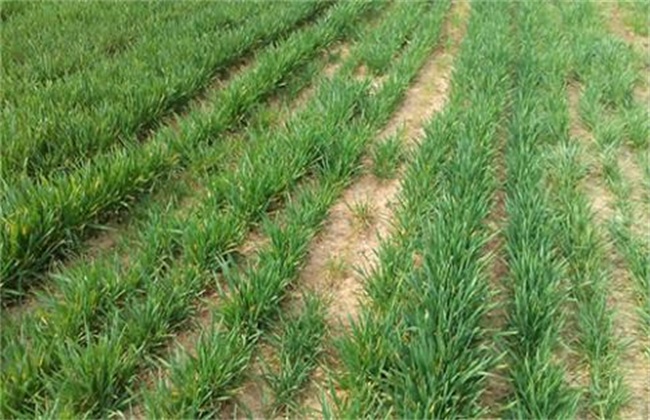
1. Timely winter irrigation
When planting winter wheat, timely winter irrigation should be carried out. Timely winter irrigation can not only control soil temperature and help form a high-quality soil environment. It can also regulate nutrients in the plow layer, increase the heat capacity of the soil, promote wheat rooting and more tillering, and improve the rate of strong seedlings. It can also avoid dead seedlings from freezing damage, achieve the goal of preserving seedlings through winter, and reduce the phenomenon of late spring cold. At the same time, this is also a key measure to prevent wheat dead seedlings in winter and spring.
In addition, reasonable winter irrigation can also settle the soil and eliminate overwintering pests lurking in the soil. During winter irrigation, if it is combined with fertilization work, it can also create a good growing environment for wheat green-up the following year and for the roots. It speeds up wheat growth, achieves the goal of improving wheat quality, and increases yield. Moreover, if winter irrigation is carried out on saline-alkali land, it can also improve the soil environment. Professional data surveys have also shown that plots with reasonable winter irrigation have a significantly higher yield than plots without winter irrigation.
2. Timely compaction
Compacting the soil is also one of the main measures to avoid wheat dead seedlings in winter and spring. Timely compaction in winter can break up large clods and lumps of soil. It fills the gaps in the soil and compacts the soil. This increases the contact area between wheat roots and soil, promotes tight binding, and enhances the growth and development capacity of wheat roots. At the same time, reasonable compaction can also improve the soil's moisture-holding capacity, ensure normal wheat growth in winter and spring, and reduce the phenomenon of dead seedlings.
3. Reasonable covering
Doing a good job of covering in winter can deepen the depth of wheat tillering nodes into the soil, protect the leaves near the ground, prevent excessive water evaporation, and improve water regulation, thereby achieving the effect of heat preservation and freeze prevention. Generally, keeping the depth of soil covering at about 2 cm can achieve a good effect of freeze prevention and seedling preservation. For wheat fields with soil covering, the ridges should also be cleared in time in spring. When the temperature reaches about 5°C, the covering soil should be cleared out of the field. If the wheat variety has poor cold resistance and was not sown deeply, then soil should be covered earlier. Reasonable soil covering can effectively increase temperature and preserve moisture, avoid wheat freezing damage, and reduce the phenomenon of freeze-killed seedlings.
The above is a brief introduction to what to do about wheat dead seedlings in winter and spring. That is all for today's introduction. This article is for reference only, and I hope it can be helpful to everyone!