Detailed Explanation of Key Management Techniques for Konjac in the Mid-to-Late Stage
Konjac is a rather special vegetable, belonging to the corm-type vegetables. It is rich in nutrients and is welcomed by many people. Its taste is soft, glutinous and refreshing, and it also has a relatively large market demand, so there are quite a lot of people growing konjac nowadays. When growing konjac, we need to do a good job of management. Especially in the mid-to-late stage, so how should konjac be managed in the mid-to-late stage? Today, the editor brings you the mid-to-late stage management techniques for konjac. Let's take a look below!
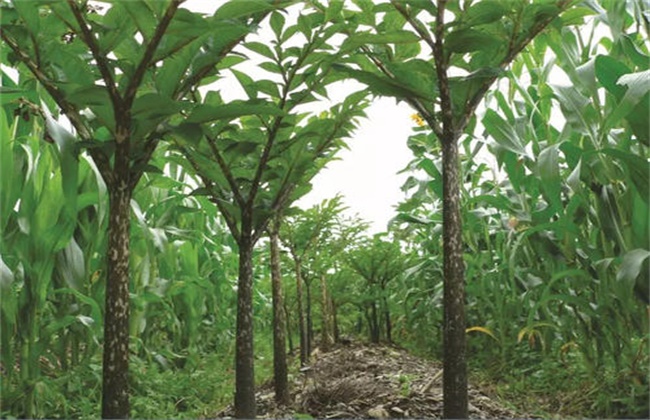
1. Water management
Konjac relatively prefers to grow in a humid environment, so a relatively moist soil environment should be maintained. During the corm swelling period of konjac, its water content should be kept at around 75%. The water content must not be too high. If the soil humidity is too high, then the soil permeability will be too low, which is very unfavorable to the growth of the corm. But it must not be too low either. If the soil water content is lower than 60%, then it will affect the swelling of the corm. Therefore, the watering method should be mainly irrigation, and sprinkler irrigation is best.
If heavy rain is encountered in the mid-to-late stage, then we should also pay attention to doing a good job of drainage and waterlogging prevention, to avoid water accumulation causing waterlogging and dead seedlings. Generally, September to October each year is the late growth stage of konjac. At this time, we must control the water well. Keep the soil water content at around 60% to promote the underground corm in accumulating nutrients. If there is too much water, then it will affect the formation of dry matter. This will lead to a decline in konjac yield and quality. Only by controlling the water well can we ensure high yield and high quality of konjac.
2. Fertilization management
August to September is the period when konjac absorbs more fertilizer. At this time, nitrogen fertilizer is mainly used, and its amount is about 60% of the entire growth period of konjac. Among them, potassium is more important, and konjac absorbs more of it as well, with the absorption amount generally about twice that of nitrogen. June to July is the corm replacement period of konjac. At this time, we should do a good job of the first topdressing. The second time should be carried out during the corm swelling period, and then foliar fertilizer should also be sprayed appropriately to enhance the disease resistance of konjac.
3. Pest and disease control
Then, in the mid-to-late stage of konjac, we should also focus on doing a good job of pest and disease control for konjac. Because the mid-to-late stage is a peak period for konjac disease occurrence, among which soft rot and southern blight are especially common. We mainly focus on prevention, strengthen management, control water and fertilizer well, and do not apply too much, to prevent waterlogging damage and fertilizer damage. This can trigger konjac pests and diseases. Then we should also frequently observe the growth of konjac. If abnormalities are found, then handle them in time, identify the cause and then take corresponding measures to avoid worsening of the disease.
The above is a brief introduction to the mid-to-late stage management techniques for konjac. That is all for today's introduction. This article is for reference only, and I hope it can help everyone!