How to plant spring spinach? Keep these planting key points in mind
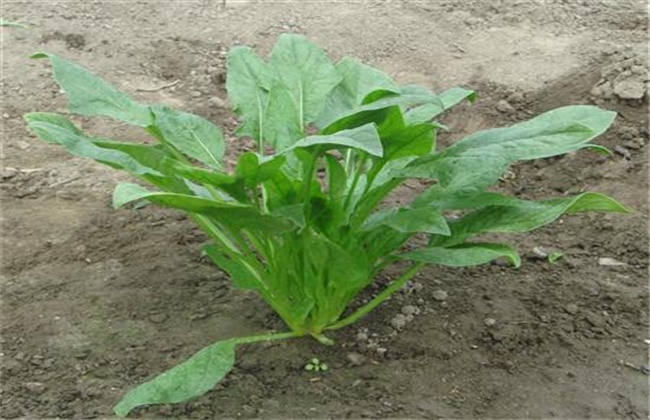
Spinach is tasty and tender, rich in nutrients, and deeply loved by everyone. Planting spinach in spring is especially important for easing the spring shortage of vegetables. The temperature is now gradually rising, which is a good time for planting spinach. Generally, it can be harvested and brought to market 30 to 50 days after sowing. So how do you plant spring spinach well? Let's take a look with the editor.
1. Preparatory work
In early spring, the temperature is still relatively low, and the later light conditions are poor, so leafy vegetables are very prone to bolting. Therefore, when choosing varieties, be sure to choose varieties that are not prone to bolting. The planting plot should be one where cruciferous vegetables were not planted in the previous crop. After the previous crop is harvested, the plot should be deeply plowed in time, and residual roots and weeds should be cleaned up. When the early spring soil thaws and crumbles at a touch, apply 2000 kg of decomposed organic fertilizer, 25 kg of urea, and 10 kg of potassium fertilizer per mu as base fertilizer, then shallow plow and make beds, ready for sowing.
2. Sowing
When sowing spring spinach, the temperature is still relatively low. If the seeds are not soaked and pre-sprouted before sowing, it will take at least half a month to emerge after sowing. If the method of soaking and pre-sprouting is used, first soak the seeds in warm water for 5 hours, remove and dry them, then place them in a 25-degree greenhouse environment for pre-sprouting. Generally, they can be sown in 2-3 days, which can greatly shorten the sprouting time and promote strong and uniform seedlings. There are many methods for sowing spinach. The most common one in early spring is wet sowing. First water thoroughly to supply bottom water, wait for the water to seep down, then broadcast the seeds, and afterward cover with 1 cm of soil.
3. Field management
Because the temperature in early spring is relatively low, it is recommended to cover with a plastic film once after sowing, which can provide excellent warming and moisture-retention effects. It should be noted that after the seedlings emerge, the film should be removed in time, or a small arched shed can be built. The purpose of doing this is to let the seedlings see more light and undergo more hardening, and also to prevent high temperatures from scorching the seedlings. Also note that the small arched shed should be uncovered during the day and covered at night, uncovered on sunny days and covered on rainy days. For spring spinach sown by the wet method, because the soil moisture is sufficient, generally water once when 2-3 true leaves have grown, and then continue watering according to the soil and climate changes. At the second watering, apply 15 kg of urea per mu flushed with the water, especially applying quick-acting nitrogen fertilizer half a month before harvest.
4. Timely harvest
Spring spinach should be harvested at the right time according to its growth condition and production needs. Harvesting too early results in too low a yield, while harvesting too late makes it very prone to bolting, reducing its commercial value and affecting the final return. After harvest, the next crop can be peanuts, corn, or other crops.
The above is an introduction to the key points for planting spring spinach. I hope it can help you. To learn more related knowledge, please follow us.