How to Plant Spring-Sown Garlic? A Full Breakdown of the Key Growing Techniques
For many people, garlic is an indispensable side ingredient, and it is grown all over our country. When growing garlic, spring sowing is generally the main approach. So in spring, many people start planting garlic one after another, but some people do not know how to grow it. So today, the editor brings you the growing techniques for spring-sown garlic. Let's take a look together below!
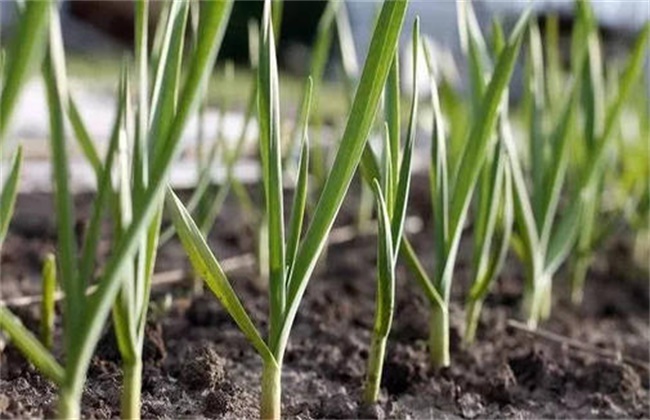
1. Choosing and Preparing the Land
When spring-sowing garlic, the first thing we need to do well is choosing the land. Garlic is a crop that cannot be continuous-cropped, and it also cannot be planted after repeat cropping with crops such as onions and garlic. Otherwise, the plants will become too thin and weak, the leaves will also show yellowing, and pests and diseases will become serious. Therefore, the previous crop on the plot for spring-sown garlic should mainly be crops such as corn and potatoes. Then we also need to do a good job of land preparation and fertilization; the soil should mainly be soil rich in organic matter, loose and with sufficient fertility. Land preparation should be done before winter, with deep plowing and fertilization, and the freezing water should be watered well.
2. Selecting Seed Garlic
After choosing and preparing the land, we need to select good seed garlic. Seed garlic should mainly be garlic bulbs with bright, white color, plump top buds, and no pests, diseases or wounds. Garlic cloves with broken sprouts or rot should be eliminated in time. Then, according to the size of the garlic seeds, they should be graded into large, medium and small and managed separately. The skin of the garlic bulbs and the dried, shrunken stem plates should be removed cleanly to improve the water absorption capacity of the garlic seeds. Finally, determine the sowing period according to the soil environment, weather changes, etc., and sow to ensure normal growth of the garlic.
3. Sowing at the Right Time
When determining the spring sowing time for garlic, we mainly use the thawing of the soil as the standard; after the soil thaws, it is about time to sow. Under normal circumstances, planting should generally be carried out about 3 days after the Rain Water solar term. The sowing method for garlic is generally mainly high-ridge cultivation; high-ridge cultivation can ensure the ground temperature is high enough, so the seedlings emerge very quickly. When the bulbs are swelling, they will also not encounter too much resistance from the soil, and the garlic bulbs will grow larger.
4. Density and Depth
Because garlic is mainly direct-sown, when sowing we also need to pay attention to controlling the sowing density well. The row spacing should be kept at about 18 cm, and the plant spacing should be controlled at about 10 cm. Generally, the amount of garlic seed used per mu is about 250 jin. Then we also need to pay attention to controlling the sowing depth well; garlic seeds must not be sown too deep. If garlic seeds are sown too deep, the emergence time of the garlic seeds will be too late, the seedlings will grow weakly, and the bolting time will also be delayed. The depth for ridge planting should be about 4 cm; if it is bed planting, then it should be kept at about 3 cm.
The above is a brief introduction to spring-sown garlic growing techniques. That is all for today's introduction. This article is for reference only, and I hope it can be helpful to everyone!