Detailed Explanation of Field Management Techniques for Spring-Sown Garlic
Garlic is grown fairly widely across various regions of China. When growing garlic, spring sowing is generally the main method. With spring-sown garlic, the plant goes through distinct stages of growth and development. Therefore, we need to carry out management work according to these growth and development stages. So today, the editor brings you the field management of spring-sown garlic. Below is a simple introduction for everyone, let's take a look!
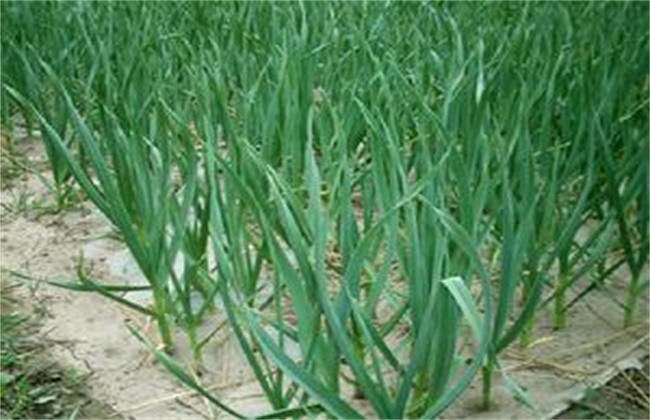
1. Sprouting Stage
After the garlic seed is sown, the period until seedlings emerge is the sprouting stage of garlic. During the sprouting stage before the garlic emerges, it is best not to water it. If the soil is truly too dry, then a small watering can be reasonably given once according to the actual situation. Then hoe the soil to promote root development and seedling emergence; in other cases, watering is generally not needed. Because the distribution of garlic seeds is relatively shallow, sowing will not be very deep either. If watered too much, it can very easily cause the garlic seeds to rot, thereby affecting germination and reducing yield.
2. Seedling Stage
After passing through the sprouting stage of spring-sown garlic, comes the seedling stage of garlic. Usually, spring-sown garlic is only watered when yellowing begins to appear at the tips of the leaves. When yellowing appears at the leaf tips, it generally indicates that the garlic has begun to recede from the mother bulb. At this time, the nutrients stored within the garlic seed have basically all been consumed, and the plant is also prone to a gap between the old and new nutrient supply. Therefore, during the seedling stage, we should carry out watering and fertilizing before the garlic seed's mother bulb recedes, so as to ensure sustained healthy growth of the garlic.
3. Garlic Bolt Elongation Stage
After the garlic seed's mother bulb recedes, the underground part will gradually grow a second batch of new roots. At this time, flower buds and bulbils will begin to differentiate, and the plant will therefore begin to enter a period of vigorous growth. So at this time, the garlic's demand for fertilizer and water will rise sharply. Therefore, we should do a good job of water and fertilizer management about one week before the garlic seed's mother bulb recedes. Then water once about every 7 days, and stop watering 3 days before harvest. This prevents the garlic bolts from containing too much water, which would make them too crisp and tender and easily broken.
4. Bulbil Expansion Stage
Finally comes the management work of the bulbil expansion stage. After harvesting the garlic bolts, the nutrients in the garlic leaves and leaf sheaths will gradually be transported to the bulbils. At this time, it enters the bulbil expansion stage. In order to meet the nutritional needs of bulbil growth, we should apply a topdressing of quick-acting nitrogen fertilizer, applying about 30 jin of ammonium sulfate per mu. At the same time, maintain a moist soil environment, and then stop watering one week before harvesting the garlic heads. This avoids excessive water causing the garlic skin to rot, poor wrapping of the garlic heads, and consequently reduced storability.
The above is a simple introduction to the field management of spring-sown garlic. That's all for today's introduction. This article is for reference only. We hope it can be of some help to everyone!