Detailed Explanation of Key Management Techniques for Zucchini at the Seedling Stage
Zucchini is a fairly common gourd-family vegetable with very high nutritional value, containing rich nutrients, so it is welcomed by many people, and its market demand is also very large. When growing zucchini, we must focus on doing a good job of managing the zucchini seedling stage so as to ensure normal growth of the zucchini. So how should zucchini be managed at the seedling stage? Below, the editor brings you the management techniques for the zucchini seedling stage. Let's take a look together!
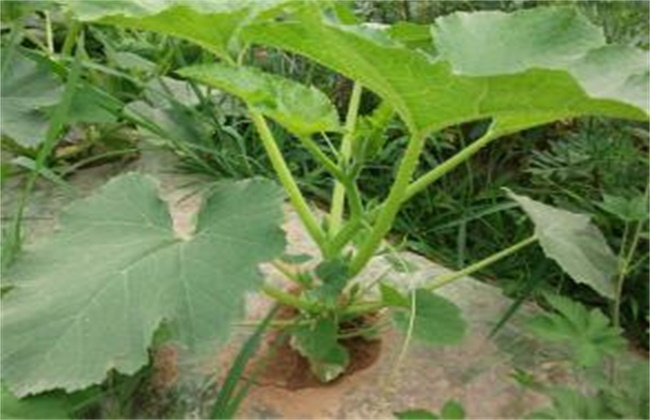
1. Temperature management
After the zucchini seeds are sown, and throughout the period until the seedlings emerge uniformly, attention must be paid to creating a suitable temperature environment for the zucchini. During the day, the temperature should be maintained at about 30°C, and at night it should be controlled at about 20°C. When about half of the seeds have emerged, the plastic film should be removed in time. And the daytime temperature should be lowered to about 25°C. Then, when about 80% of the seedlings have emerged, the daytime temperature should be lowered by about another 5°C, and the nighttime temperature should be maintained at 15°C. This ensures that the zucchini seedlings emerge uniformly and the hypocotyls are thick and strong.
2. Water and fertilizer management
Because zucchini seeds are relatively large, their ability to push through the soil is also relatively strong. Therefore, if the soil covering after sowing is too thin or too much water is applied before emergence, then soil compaction is very likely to occur. When the seedlings have just emerged, the seed coat is relatively difficult to shed, so the phenomenon of emerging with the cap still on easily occurs, and there is also a risk of the sprouts drying out. So, in addition to doing a good job of seed soaking and sprout promotion before sowing, we must also pay attention to thoroughly watering the seedbed. Then, before the seeds emerge, it is best not to water; the soil covering thickness should be maintained at about 2 cm. If the cap-wearing phenomenon occurs, then warm water should be sprayed appropriately or some moist rare earth should be scattered to promote shedding of the cap.
3. Seedling separation and hardening
When the cotyledons of the seedlings have flattened out and the true leaves gradually become visible, they should be moved into nutrient pots at the appropriate time. Seedling separation can also be done directly on the seedbed, providing sufficient growing space for all seedlings and increasing the rate of strong seedlings. Then we must also do a good job of hardening the seedlings. If seedlings are raised in low-temperature seasons such as winter and spring, then one week before planting, the daytime temperature should be maintained at about 20°C, and the nighttime temperature should be maintained at about 7°C. If seedlings are raised in summer and autumn, then the shade net should be gradually removed and water should be controlled well. After hardening, the seedling environment should be kept as consistent as possible with the environment of the planting field, ensuring that the seedlings can recover as quickly as possible after planting.
4. Other management
In the later stage of seedling growth, if the outside temperature changes suddenly, then we must pay attention to adjusting it in time. After the rainy season, attention should be paid to removing the covering in time; usually, when the covering is in place, keeping a distance of about 50 cm from the ground is enough. After the seedlings emerge, attention should be paid to thinning them in time. If there is seedling death, then supplementary planting should be done well. At the same time, attention should also be paid to manual weeding to avoid affecting seedling growth. Finally, pest and disease prevention work should also be done well.
The above is a brief introduction to zucchini seedling stage management techniques. That is all for today's introduction. This article is for reference only, and we hope it can be helpful to everyone!