A detailed guide to growth-control techniques for greenhouse vegetables: master the key points to boost high yields
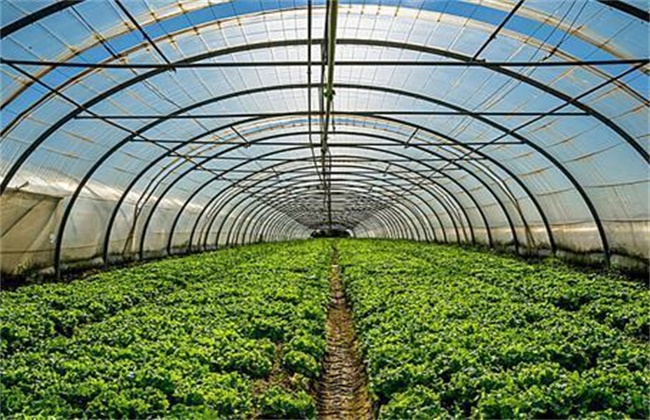
Greenhouses for vegetables were invented specifically to overcome the seasonal limits on vegetable growth. Growth control, put simply, means managing the growth process of vegetables so they grow better, increase yields, and grow as much as possible before the stage at which you want to sell them. So from which aspects can growth control begin? Let's take a look at this technique below.
1. Temperature control
Temperature is the key to a greenhouse. Plants grow at different rates depending on whether the temperature is high or low, and when controlling growth you must match the growing temperature of the vegetables at each stage. For example, at the flowering stage, vegetables generally do not need a high temperature, because the pollen cannot tolerate it; at this time, to help the flowers pollinate better, the temperature should be lowered appropriately. After fruit set, the fruit is more active under high temperatures, so at this stage the temperature should gradually be raised, and only then will the fruit grow well. This is controlling growth through temperature.
2. Light control
All things grow relying on the sun, and the rate at which the stems and leaves of vegetables grow generally varies with the amount of light. With too little sunlight, vegetables may first show yellowing leaves and wilting branches, because with little light, photosynthesis is not obvious and the vegetable as a whole is not active. Vegetables have their highest light requirements during the growth period; if there is enough light at this time, the vegetables can easily expand, and this is the best period for controlling growth through light.
3. Water control
Water is the source of life for vegetables, so how to use water to control growth is something everyone is probably rather unclear about; in fact, it is not very difficult. For vegetables, the absorption of water starts from the root system. If there is a little less water, it is generally all taken up by the roots, with only a small part supplied to the stems and leaves, so the vegetables grow more slowly. If there is too much water, the whole vegetable can absorb water, and thus it can grow vigorously. However, when controlling with water, you must constantly adjust according to the growth of the vegetables, so the requirements are relatively higher.
4. Human control
Growth control can also be done manually, and this covers a fairly wide range. Some vegetables show abnormalities as they grow, causing them to grow more slowly. Common cases include branches crossing each other, twisted stems, and not facing the sun, which lead to poor growth; these need to be corrected by you so they return to a vigorous growth state. In other cases, growth is too vigorous, so that little can be harvested, and this needs to be suppressed.
Growth control is not simply about making vegetables grow well; its main purpose is still to help increase yields. Growth control should also not blindly let vegetables grow wildly; only reasonable adjustment can bring you higher returns.