How to manage zucchini fruit? Detailed explanation of the technical key points
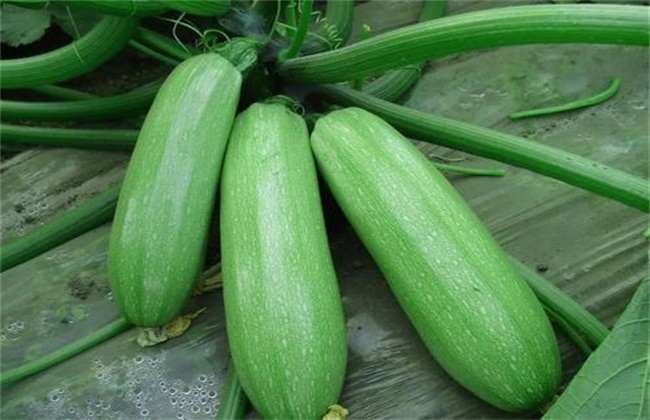
Zucchini is a very popular vegetable and can basically be grown in all parts of our country. When growing zucchini, if you want to improve the yield and quality of zucchini, then management work is very important. In particular, fruit management must be done well to ensure the normal growth of zucchini. So how should zucchini fruit be managed? Today the editor will explain zucchini fruit management for everyone. Let us take a look below!
1. Hormone-based fruit retention
When we grow zucchini, zucchini sometimes shows flower and fruit drop, so we should pay attention to doing a good job of fruit retention. Among these, the most common fruit retention method is hormone-based fruit retention. Reasonably use hormones for fruit retention when the amount of zucchini flowers that have faded reaches about 2/3 or so. Spray an appropriate amount of a mixed solution such as urea and monopotassium phosphate for fruit retention. Generally, spray once about every half month, and its fruit retention effect is still very obvious.
2. Fruit thinning and bagging
In addition to doing a good job of fruit retention, we should also pay attention to proper fruit thinning to avoid too many fruits hanging and exceeding the load of the plant. When thinning fruits, we should mainly remove diseased fruits, deformed fruits, small fruits, and some densely growing fruits that are too crowded. The number of fruits retained should be controlled well according to the leaf-to-fruit ratio, and attention should also be paid to determining it according to the variety. For example, some varieties retain one fruit for about 50 leaves, while others need about 100 leaves. After fruit thinning, pesticides such as Lvjing and carbendazim should also be used for sterilization and insect control, and then bagging should be done appropriately to ensure normal fruit growth.
3. Reasonable fertilization
In addition, we should also pay attention to doing a good job of fertilization. In particular, attention should be paid to the application of fruit-stabilizing fertilizer and fruit-swelling fertilizer. Usually in May each year, fertilization should be carried out according to tree vigor. If the tree vigor is weak and the number of flowers is large, then soil fertilization should be applied once. The fertilizer should be mainly phosphorus and potassium fertilizer to alleviate physiological fruit drop. Then apply fruit-swelling fertilizer to provide sufficient nutrients for the growth of zucchini. If the fertilizer is insufficient, then the growth of zucchini fruit will very easily show phenomena such as small fruits and deformed fruits due to insufficient nutrients, affecting the yield and quality of zucchini.
4. Pest and disease control
When it comes to fruit management, pest and disease control is naturally also indispensable. Among them, common ones include longhorn beetles and leaf spot disease. We should strengthen management, often observe the growth of zucchini, and ensure the normal growth of zucchini. At the same time, do a good job of fertilizer and water management. Do not overwater or overfertilize, to avoid fertilizer damage and waterlogging damage. This can trigger the occurrence of pests and diseases. When zucchini shows abnormal conditions, the specific cause should be found out in time, and then corresponding control measures should be taken to avoid the spread of the disease.
The above is a brief introduction to zucchini fruit management. That is all for today's introduction. This article is for reference only, and I hope it can be helpful to everyone!