What to Do When Wheat Has Spikes but No Seeds? Detailed Control Measures
Wheat is one of humanity's staple foods, with a long history of cultivation in China and an extremely wide planting area. However, during wheat cultivation, the phenomenon of spikes without seeds has become increasingly serious, severely affecting wheat yield and quality and harming farmers' planting income. So how should the phenomenon of wheat spikes without seeds be controlled? Follow along with the editor to learn more.
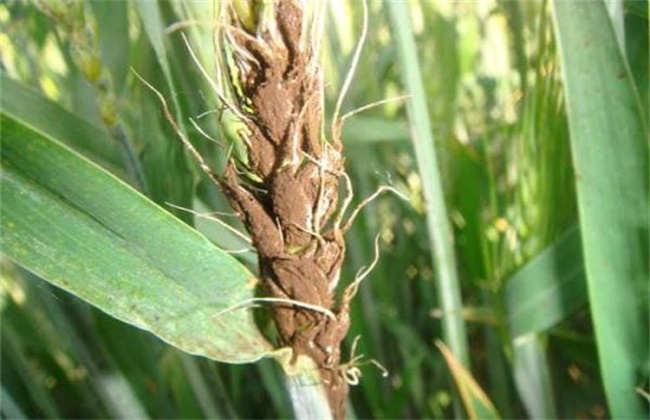
1. Select Excellent Varieties
Excellent varieties are the guarantee for achieving a bumper wheat harvest. It is recommended that growers choose varieties that have been approved by national or provincial variety approval authorities and are suitable for local planting. Before planting, they should first undergo small-area trial sowing before being promoted and applied on a larger scale, ensuring the variety is suitable for local planting and guaranteeing yield and quality.
2. Prevent Cold Damage and Freezing Injury
When selecting varieties, it is necessary to scientifically arrange the appropriate sowing period and sowing rate according to the winter and spring habits of wheat, cultivate strong seedlings, and promote early seedling development. In winter and spring, maintain a reasonable population structure and promote vigorous individual plants, so as to ensure normal development of flower spikes and improve the seed-setting rate. It is recommended that farmers spray agents that can improve wheat stress resistance during the jointing stage, which can significantly enhance wheat stress resistance and lay a solid foundation for high and stable yields and quality in the later stage.
3. Strengthen Field Management
Field management should be strengthened to reduce the habit of flower degeneration, which can effectively increase the number of grains per wheat spike. From the jointing stage to the flowering stage of wheat, potassium dihydrogen phosphate, brassinolide, and boron fertilizer can be sprayed to supplement nutrients for the plants, improve wheat pollination ability, and promptly prevent diseases such as wheat sheath blight, white head disease, and take-all disease.
4. Scientific Use of Pesticides
Pesticides should be selected according to the occurrence of pests and diseases in the wheat field to avoid waste and pesticide damage. When diluting pesticides, it is recommended to use the secondary dilution method to avoid uneven liquid and cause wheat pesticide damage. When mixing pesticides, be sure to follow the instructions and do not arbitrarily increase the dosage. When spraying, try to avoid the flowering stage. Spraying should be done before 10 a.m. or after 4 p.m., avoiding the high-temperature period at noon, to prevent pesticide damage. When using herbicides, also choose the right type, timing, and dosage, and note that no herbicide should be used after the jointing stage of wheat.
The above is an introduction to the control measures for wheat with spikes but no seeds. We hope it helps you. For more related knowledge, please stay tuned to us.