Key Technical Points for Seedling-Stage Cultivation and Management of Sweet Corn
Corn is an important food crop in China; it can be eaten both as a staple food and as a vegetable, and in recent years more and more people have been growing sweet corn. During the seedling stage of sweet corn, its stems and leaves grow slowly while its root system develops quickly. To cultivate strong seedlings, special attention must be paid during seedling-stage management. So how should sweet corn be managed during the seedling stage? Let's find out together.
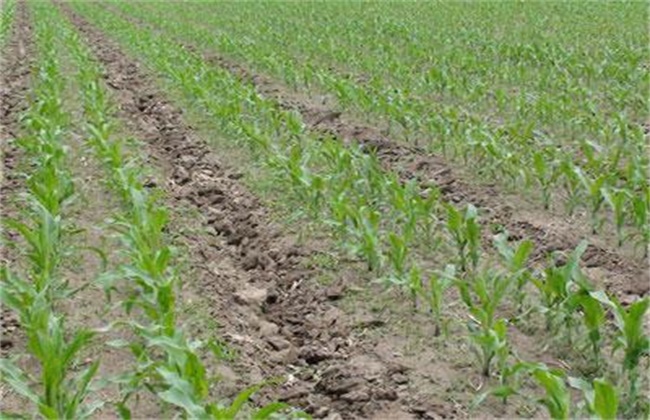
1. Checking for Missing Seedlings and Filling Gaps
During the seedling stage of corn, it is necessary to check for missing seedlings and fill gaps in time. This is because corn planting quality and soil conditions vary, and after sowing, missing seedlings and broken rows may appear, which affects corn yield and quality. Therefore, checking for missing seedlings and filling gaps is extremely important. When many seedlings are missing, it is best to fill the gaps with seeds that have been soaked and sprouted; if only a few seedlings are missing, you can transplant seedlings to fill the gaps. Transplanting should be done on a rainy day or on a sunny afternoon, and after transplanting, water promptly to ensure the seedlings survive. Give transplanted seedlings more water and fertilizer as much as possible to shorten the recovery period, so as to achieve strong and uniform seedlings.
2. Thinning and Final Thinning of Seedlings
At the 3-leaf stage of corn, final thinning should be carried out in time, while removing diseased and pest-damaged seedlings and keeping healthy, strong seedlings. Thinning should be done early, before the seedlings take root. If thinning is done too late, the seedlings will compete for water and fertilizer, causing poor root growth and thereby affecting aboveground growth. Final thinning should also be done early rather than late. In areas with severe underground pests, the number of thinning operations should be appropriately increased and final thinning appropriately delayed, but no later than the 6-leaf stage.
3. Cultivation and Weeding
Timely cultivation and weeding breaks up soil compaction, loosens the soil, eliminates weeds, and promotes the smooth downward growth of corn roots, playing a key role in restraining upward growth and promoting downward growth, laying a foundation for later lodging prevention. Generally, during the corn seedling stage, cultivation to a depth of 2 chi increases secondary roots by 5-6 compared with no cultivation, and raises yield by about 10%. When cultivating and weeding, also note that shallow cultivation should be done near the seedlings to avoid injuring them.
4. Cultivating Strong Seedlings
For fields without basal fertilizer, seedling fertilizer can be applied at the 5-leaf stage, with 40 kg of NPK compound fertilizer applied per mu. During the seedling stage, zinc sulfate foliar fertilizer can be sprayed, or zinc sulfate can be applied to the roots. For plots with serious variation in seedling size, supplemental fertilizer should be applied to the weaker seedlings; for plots with excessively high density and overly vigorous growth, attention should be paid to preventing lodging.
The above is an introduction to the seedling-stage cultivation and management techniques for sweet corn. We hope it helps you. To learn more related knowledge, please stay tuned to us.