Detailed Explanation of Management Techniques for the Radish Bulking Stage
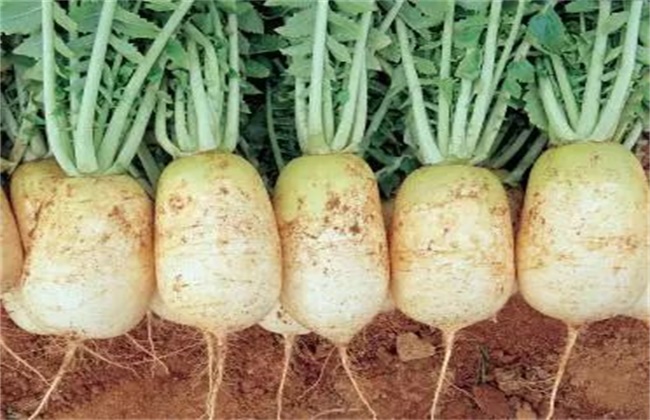
Radish is a typical root vegetable and is basically grown in all parts of China. When growing radish, management work is very important, and when managing, we need to reasonably adjust management techniques according to the growth stage of the radish. This is especially true during the radish bulking stage. So how should it be managed during the radish bulking stage? Below, the editor brings you the management techniques for the radish bulking stage. Let's take a look!
1. Reasonable Fertilization
During the radish bulking stage, fertilization work is very important. Because during this period, radish needs a large amount of nutrients to ensure normal bulking. Therefore, we first need to do a good job in fertilization, and the fertilizer should mainly be phosphorus and potassium fertilizer, and an appropriate amount of phosphorus and potassium fertilizer should be applied in time. The fertilization method can use foliar spraying; after diluting potassium dihydrogen phosphate with water, spray it on the leaves. Supplementing the radish with sufficient phosphorus and potassium elements can accelerate the growth rate of the fleshy root. And potassium dihydrogen phosphate can also prevent the occurrence of fruit cracking and forking in radish.
2. Timely Watering
Like fertilizer, watering during the radish bulking stage is also very important. During this period, radish likewise needs a large amount of water, and care should be taken to keep the soil moist with sufficient water. However, when watering, pay attention to controlling the watering time and amount. Do not water at noon; it should be done in the morning and evening. It is best to water in the morning, because if watering at noon, fruit cracking is very likely to occur due to the excessive temperature difference at the roots. Then when watering, the principle should be small amounts and frequent watering, and do not use flood irrigation, to avoid waterlogging caused by excessive water.
3. Cultivation and Weeding
In addition to doing a good job with fertilizer and water, during the radish bulking stage we should also pay attention to doing a good job in cultivation and weeding. Proper cultivation can avoid soil compaction, improve soil permeability, enhance the absorption and respiration capacity of the roots, and promote normal root bulking. At the same time, it can also inhibit the growth of weeds. The main purpose of weeding is to avoid weeds growing everywhere and competing for the nutrients and water needed for radish bulking. Therefore, everyone must pay more attention and concentrate nutrients on the radish plants to ensure radish yield and quality.
4. Pest and Disease Control
Finally, we should also do a good job in pest and disease control. Common pests and diseases during the radish bulking stage include aphids, root rot, and so on. These diseases will affect the growth of various organs of the radish to varying degrees, and the harm to radish root growth is especially the greatest. Therefore, we should pay attention to regular disinfection and eliminate pests, diseases, and pathogens in the field. At the same time, we should often observe the growth of the radish, and when abnormal conditions are found, deal with them in time. After identifying the specific cause, make the corresponding treatment to ensure normal growth of the radish.
The above is a brief introduction to the management techniques for the radish bulking stage. That is all for today's introduction. This article is for reference only, and I hope it can help everyone!