What are the main problems in growing onion seedlings?
Onion is a major side vegetable in China, used for seasoning and can also be stir-fried and eaten directly. The nutritional value of onion is very high, so its market demand is also very large. Therefore, quite a lot of people now grow onions, and when growing onions, the seedling work is very important. However, when growing seedlings, there are many problems. So what exactly are they? Below, the editor brings you the main problems in growing onion seedlings. Let's take a look!
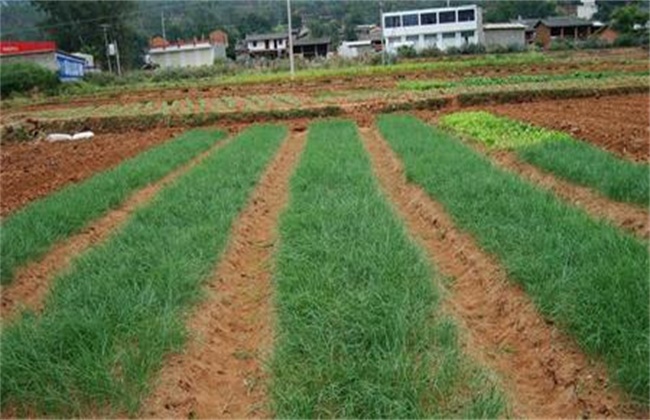
1. Temperature problems
Onion likes to grow in a cool and dry environment. Generally, the seeds can germinate at a temperature of about 4°C. However, the most suitable germination temperature is still around 16-17°C, and the optimum growth temperature for seedlings is around 12-20°C. If the temperature exceeds 25°C, the growth rate will decrease. In addition, onion is a green-plant vernalization type vegetable. When the diameter of the seedling's white stalk grows to about 0.8cm, vernalization can occur after a period of time at a temperature of 9-10°C. Moreover, both bulb expansion and flowering of onion require warm, long-day conditions. Therefore, be sure to pay attention to the sowing period of onion and the management work during the seedling stage, to avoid premature bolting.
2. Sowing problems
Although onion can be grown in both the north and the south, there is a relatively large difference in its sowing time. For example, when growing in South China, sowing is generally carried out near winter; when growing in the Yangtze River basin, autumn sowing is the main method; and when growing in Northeast China, spring sowing is the main method. Except for spring sowing, the sowing time must be strictly controlled. This prevents the seedlings from overgrowing during low winter temperatures and then passing through vernalization after exposure to low temperatures. Therefore, autumn sowing should not be too early. The farther north you go, the earlier the autumn sowing time should be, and vice versa, the later it should be.
3. Germination problems
Onion seeds are very small, and after sowing, germination and emergence from the soil are not very easy. Therefore, it is necessary to maintain a very loose soil that is rich in fertility and has strong water retention. However, before sowing, the seeds usually do not need soaking and germination acceleration; they can be sown directly as dry seeds. At the same time, the lifespan of onion seeds is very short, so new seeds should be used as the main seed source, and the sowing rate per mu should be kept at about 250g. After sowing, keep the soil moist. After about 9 days, the seeds can emerge from the soil. After the seedlings are fully emerged, pay attention to thinning them properly.
After sowing, it takes about two months until transplanting. At this time, the height of the seedlings is generally about 20cm. When growing seedlings, in addition to paying attention to controlling the sowing period, there are also two points that require our extra attention. First, during the seedling stage, pay attention to fertilization. Usually, no fertilization is needed before transplanting. This prevents the seedlings from growing too large at the time of transplanting. Then, pay attention to weed control to prevent excessive weeds from affecting the normal growth of onion seedlings.
The above is a brief introduction to the main problems in growing onion seedlings. That is all for today's introduction. This article is for reference only, and I hope it can help everyone!