When is the best time to remove old leaves from tomato plants?
Tomato is a vegetable everyone is familiar with, has a very high nutritional value, and is grown on a very large area in our country. When growing tomatoes, we need to do a good job of management. This is especially true of leaf removal work, to avoid consuming too many nutrients. When removing leaves, we first need to pay attention to removing the old leaves. So when should old tomato leaves be removed? And what are the precautions? Let's take a look together below!
1. Timing of leaf removal
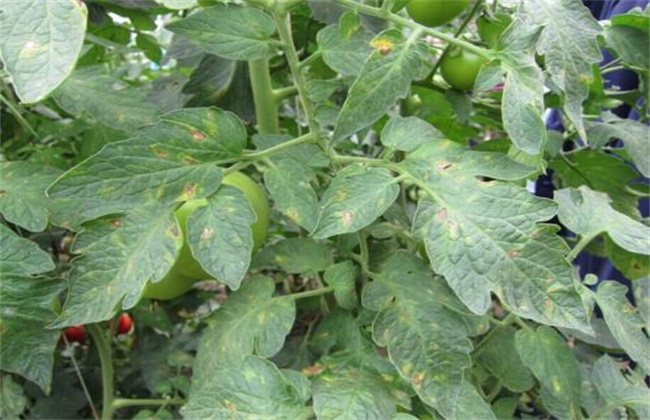
When removing old tomato leaves, we should determine the timing according to the actual growth conditions of the tomatoes. If the tomatoes are growing normally, then generally only at the green-ripe stage of the fruit, that is, when the tomato fruit gradually turns from green to white, can the leaves below the truss be removed. At other times, leaves must not be removed at will; even if there is disease, as long as the area of the diseased spots has not exceeded half, it can be left alone. If the plant's leaves are growing too many and too dense, then in order to improve the plant's ventilation and light penetration, 1/3 of the leaves or half of them can be removed, thinning out the leaves at the bottom of the plant.
2. Precautions
When removing leaves, if the leaves are dark green in color and have not been harmed by pests or diseases and have not developed yellow spots, then they still have useful value and must not be removed. As for the lowest truss of fruit on the plant, if the leaves gradually turn yellow, show a large number of yellow spots, or are severely harmed by pests and diseases, then these old leaves should be removed promptly. Then, for the yellowed and old leaves in the middle and lower parts of the plant that have appeared due to pest or disease damage or some other physiological disorder, they should also be removed promptly.
When the tomatoes are approaching maturity, for the lowest truss of fruit on the plant, the leaves at its bottom should be appropriately removed. When removing leaves, pay attention to the number; the number of leaves removed must not be too many, kept to about two at a time at most, to avoid damaging their growth. At the same time, we should also pay attention to maintaining a good interval between two leaf removals, keeping it at least above 10 days. Each time leaves are removed, it should be done at noon on a sunny day, not in the morning when there is still dew, to avoid the leaf wounds being infected by bacteria and causing disease. Likewise, leaf removal must not be done in the evening, to avoid the leaf wounds being unable to heal in time and becoming infected at night.
Finally, after removing leaves, we should pay attention to promptly spraying once with natural brassin, that is, Jinyunzhi, used together with a bactericide for disease control. This can not only promote photosynthesis in healthy leaves, but also prevent the wounds from leaf removal from being infected by bacteria, avoiding effects on the normal growth of the tomatoes. If we do not pay attention to the above precautions when removing leaves, then the impact on tomato growth will also be very great. It will either cause severe disease, or cause leaf damage, too little nutrient accumulation in the fruit, and the appearance of hollow fruit, reduced yield, and so on.
The above is a brief introduction to when to remove old leaves from tomato plants. That is all for today's introduction. This article is for reference only, and I hope it can be helpful to everyone!