What are the precautions for planting Paris polyphylla? These key points need to be mastered
What problems during the planting of Paris polyphylla can easily affect planting returns? And what problems need attention during the planting process? I wonder if everyone has noticed the following points. Let's take a look at the precautions for planting Paris polyphylla!
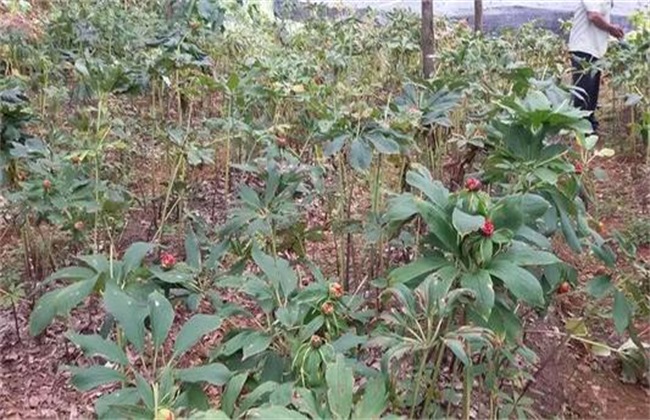
1. Reasonable irrigation
Paris polyphylla itself prefers relatively moist places, but when watering, do not water too much, as it easily causes water rot, because it likes relatively humid air. The place chosen for planting Paris polyphylla should be a shady and damp site conducive to drainage. Irrigation should mainly be in the form of misting, and the soil only needs to remain semi-dry. When watering, never use tools with a large water output, as this can easily lead to overwatering. The water flow should imitate the form of rain, evenly sprinkled on the leaves, and should not be directed at the roots.
2. Timely weeding
Due to the environment and fertile soil, grass easily grows at the base of Paris polyphylla, so weeding is also something that often needs to be done during the planting process. When weeding, be careful to avoid accidentally damaging the root system of Paris polyphylla, because its root system is not distributed deeply, and daily loosening of the soil is not really needed. When clearing weeds, just cut off the surface layer, and for some larger weeds it is best to remove them together with the roots. The weeding here does not aim to clear everything very cleanly each time, but the frequency should be relatively frequent.
3. Timing selection
The timing here refers to the planting time, and this is also a place where growers easily run into problems. Paris polyphylla grows relatively well during its fixed fruiting period, and this is the good time to sow. If sown in other periods, Paris polyphylla is relatively difficult to survive. February to March each year is considered a relatively suitable time. At this time, factors such as temperature and humidity are relatively in line with the growth needs of Paris polyphylla, and combined with its rapid development, this will greatly reduce the probability of seedlings failing to emerge.
4. Control light
According to the habits of Paris polyphylla, strong light is a factor that Paris polyphylla relatively avoids, especially in the early seedling stage. Therefore, many places where people plant Paris polyphylla choose understory planting, and some directly intercrop in greenhouses. These are all prepared to control light. Some daily scattered light is beneficial to the growth of Paris polyphylla. When direct sunlight is too strong, shade preparation must be done well. If you find it troublesome, it is best to directly find a shady place, which will reduce some of the work in terms of light control.
The above are some precautions for planting Paris polyphylla. When planting, be sure to adjust according to the habits of Paris polyphylla, so that the risk during planting will be much smaller. The precautions mainly need to be adjusted according to the factors that Paris polyphylla relatively needs to pay attention to.