What are the precautions for planting oil tea trees?
As a preferred variety for oil extraction, oil tea trees have received a good market response in recent years, and many people grow them. During the planting process, people have also summed up quite a few points that need attention. Let's take a look below at what precautions there are!
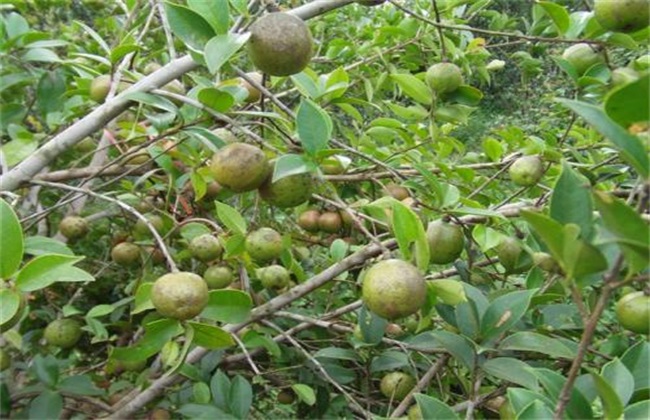
1. Pruning issues
During the growth of oil tea trees, due to environmental factors, not all fruits will develop fully, and there will be some fairly obvious bad fruits in between. Also, during growth, due to factors such as light and terrain, their growth can become abnormal, sending out a mass of useless branches in all directions. Pruning is a key point to pay attention to when planting oil tea trees, mainly pruning miscellaneous branches, bad fruits and old branches, which can greatly extend the lifespan of the oil tea tree's full-bearing period.
2. Planting density
When planting oil tea trees, you should consider density more. A single oil tea tree absorbs nutrients from nearby quite strongly, so there will be relatively fewer weeds near oil tea trees, especially during the full-bearing period. Its density is generally based on the fertility of the soil; poorer soil should have a larger spacing, while fertile soil should have a smaller spacing, and for fertile soil the main consideration is simply that two oil tea trees should not cross each other. This needs everyone to adjust appropriately according to actual conditions, and places with more obvious accumulated fertilizer can have a few more planted.
3. Blind watering
When planting oil tea trees, people easily fall into a misunderstanding, which is to keep watering the oil tea trees, but in fact the oil tea tree itself does not have a very strong demand for water. On the contrary, oil tea trees are actually very afraid of waterlogging, so daily watering should instead control the amount of irrigation, and secondly, too much water will also affect the oil yield quality of oil tea trees. In the entire oil tea tree planting area, more drainage ditches must be prepared, and do not water as frequently as fruit trees.
4. Planting terrain
The terrain for planting oil tea trees can be described as diverse, and there are very many places available to choose from. When choosing a place, choose a more sunny spot, as sufficient light leads to good oil yield. The fertility requirement of the soil is relatively not so high, and it does not matter if the terrain is a bit steep, because even slightly gentle hilltops can be planted with oil tea trees. So when choosing planting terrain, do not mix up the key points; this is a place requiring special attention.
The above are some precautions when planting oil tea trees. Oil tea trees are pursued for oil yield, so everyone should pay more attention to the factors that affect this aspect. Good growth does not mean good oil production!