What causes rice seed rot? Detailed explanation of prevention and control measures
Rice is one of the grain crops with the largest planting area in Wogan cultivation, but some farmers have discovered the phenomenon of seed rot during the seedling-raising process. So-called seed rot means the seed grain has not yet sprouted or has just sprouted and then rotted, and the husk color often turns dark, even dark brown. This phenomenon seriously affects rice yield and also causes considerable economic losses to farmers. So what causes rice seed rot? How should it be prevented and controlled? Let's take a look together with the editor.
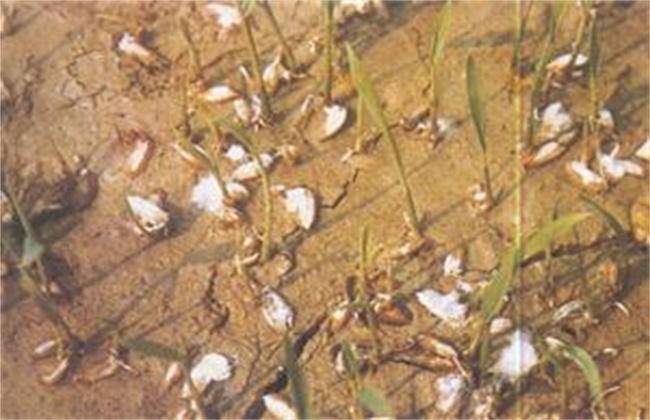
I. Causes of rice seed rot
There are many causes of rice seed rot, including reasons from the seeds themselves, as well as pests, diseases, and improper management. Let's understand them one by one. First, if the seeds are stored improperly and not dried thoroughly in the sun, their germination ability will be damaged, causing them to fail to sprout smoothly, thus resulting in seed rot; if the water is not changed frequently enough during seed soaking, or if the seeds are disinfected improperly, the vigor of the plants during germination acceleration will be weakened, which can also lead to seed rot; if the temperature is not controlled properly during germination acceleration, high temperatures will scorch the seedlings, and the possibility of the seeds emerging after sowing is extremely low, so they only rot in the field; in addition, if the fertilizer applied to the seedling-raising land is too concentrated, the concentrated fertilizer will burn the seeds and cause seed rot; or if the mud in the seedling-raising field is too soft, the seed grains sink deeply and suffocate, causing seed rot.
II. Prevention and control measures
1. Seed germination test
Before sowing rice, randomly sample from the upper, middle, and lower layers of the seed pile, mix them thoroughly, and then divide them evenly into three portions for germination testing. When the germination rate reaches above 80%, they can be used as production seed; otherwise, they are not suitable for sowing as seed.
2. Sun-drying seeds
Place the plants with a germination rate above 80% under the sun for 2-3 days, using the sun to sterilize and remove insects, while also allowing carbon dioxide and moisture to dissipate, and enhancing the seeds' air permeability and water absorption, promoting enzyme activation, thereby increasing the germination rate and germination vigor, and achieving uniform emergence.
3. Seed selection
Seed selection should remove shriveled grains and keep plump ones, so that the seeds germinate uniformly and the seedlings are robust. First soak the seeds in clean water weighing 2-3 times their weight, add an appropriate amount of table salt, and after soaking select plump seeds for sowing.
4. Medicinal seed soaking
After washing the selected seeds with clean water, soak them with dichlorvos and carbendazim agents for 3 days, but pay attention to the amount and concentration of the agents used, to avoid using too much and affecting seed germination. Insufficient dosage or insufficient seed soaking time will have an insignificant effect on preventing and controlling rice white-tip nematode disease and rice bakanae disease.
5. Germination acceleration
After the disinfected seeds have absorbed enough water, remove them and place them in a bag with good air permeability for germination acceleration. At the same time, continuously pour warm water and turn them frequently, so as to avoid high-temperature scorching of the seedlings. When more than 80% of the seeds show white sprouts, they can be sown.
6. Fertilization
One month before sowing, plow the seedling field, then apply 2000-3000 kg of decomposed organic fertilizer per mu as base fertilizer, and break up the clods and prepare the land, rake the soil surface fine and level it. Before sowing, 35 kg of nitrogen-phosphorus-potassium compound fertilizer per mu can be applied as seed fertilizer. Undecomposed farmyard manure must not be applied, and attention should also be paid to the application of seed fertilizer, to avoid burning sprouts due to overly concentrated surface fertilizer. In addition, seed fertilizer should try not to come into contact with the seed grains.
The above is an introduction to the causes of rice seed rot and prevention and control measures. We hope it can help you. To learn more related knowledge, please follow us.