Field management technical points for continuous fruit setting in sweet peppers
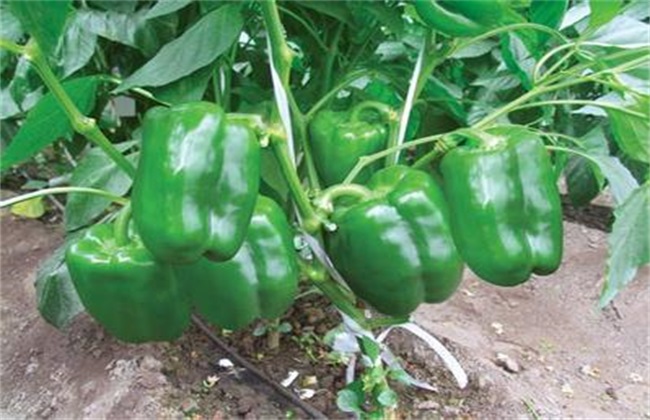
Sweet pepper is a type of chili pepper, an annual or perennial herbaceous plant in the Solanaceae family. Its flesh is crisp and tender, and it is rich in vitamin C. Therefore, its market in China is also very large, and nowadays many people grow sweet peppers. When growing sweet peppers, we want them to be able to set fruit continuously. So how should field management be carried out to achieve continuous fruit setting in sweet peppers? Below, the editor will give everyone a brief introduction. Let's take a look together!
1. Temperature regulation
When growing sweet peppers, because the first flush of fruit setting is relatively small, many people use flower-dipping agents to promote fruit setting. In fact, doing so will cause sweet peppers to produce more deformed fruits. Actually, because sweet pepper is a self-pollinating crop, as long as suitable environmental conditions are ensured, it can set fruit on its own without flower dipping. Therefore, we can promote fruit setting and increase the fruit-setting rate by regulating the field temperature.
During the flowering period of sweet peppers, the suitable growth temperature is around 25-28 degrees, and the day-night temperature difference should be maintained at about 10 degrees. The nighttime temperature should not be too high, and the day-night temperature difference should not be too small, otherwise it is very unfavorable for sweet pepper fruit setting. Therefore, we need to adjust the temperature through measures such as ventilation and shading to ensure it stays within the suitable growth temperature range for sweet peppers. However, when necessary, an appropriate amount of Cuihuawang can be sprayed to promote the reproductive growth of sweet peppers, prevent excessive growth of the main shoot, promote flower bud differentiation, and thereby improve the quality of pollen pollination and fertilization and the number of flowers and fruits, reducing fruit drop.
2. Reasonable fertilization
During the fruiting period of sweet peppers, the demand for potassium fertilizer increases. However, many people only focus on nitrogen fertilizer when fertilizing sweet peppers and neglect the application of potassium fertilizer, resulting in excessive growth of the sweet pepper plants. Therefore, during the fruiting period of sweet peppers, we should pay attention to the application of potassium fertilizer. Usually, when the sweet pepper fruits grow to the size of a table tennis ball, potassium fertilizer should begin to be applied as a top dressing, and it can be applied with irrigation water. Then spray an appropriate amount of Zhuangdiling to enhance the nutrient matching of the sweet pepper plants. Avoid phenomena such as leaf drop, fruit drop, and excessive growth in sweet pepper plants, ensuring continuous fruit setting in sweet peppers.
3. Watering management
The root system of sweet peppers is relatively shallow, and the root growth capacity is also relatively poor. Its root system is mainly concentrated in the soil layer around 10 cm, so both its waterlogging tolerance and drought tolerance are relatively poor. During the fruiting period, if there is a lack of water, the plants will wilt, and in severe cases, various diseases may be triggered. If too much water is applied, it is easy to cause root rot and plant death. Therefore, when watering, we should pay attention not to use flood irrigation, and should water reasonably according to the soil dryness and moisture, weather, and plant growth conditions.
The above is a brief introduction to field management for continuous fruit setting in sweet peppers. That's all for today's introduction. This article is for reference only, and we hope it can help everyone!