Cultivation Methods and Key Care Points for the Silk Tree Flower
The silk tree flower (Albizia julibrissin) is fairly common in our daily lives. It is often seen along various streets and in gardens, and in fact, the silk tree flower is also a commonly used traditional Chinese medicinal herb. It has various effects such as reducing swelling and relieving pain, and harmonizing blood, and its medicinal value is quite good as well. Therefore, more and more people are now cultivating the silk tree flower. So how should the silk tree flower be cultivated? Today, the editor brings you the cultivation techniques for the silk tree flower. Let's take a look below!
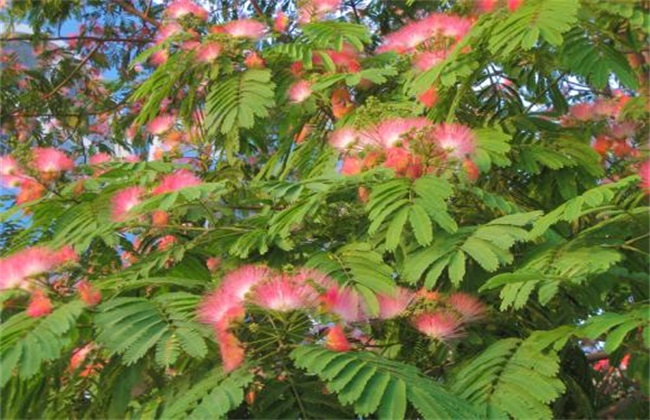
1. Propagation Methods
The commonly used propagation method for the silk tree flower is seed propagation, generally collecting seeds in September to October. When collecting seeds, pay attention to selecting pods with high plumpness and no pests or diseases, then dry them in the sun and thresh them. Because the seed coat of the silk tree flower seed is very hard, about half a month before sowing, soak them in a potassium permanganate solution for about two hours. Then remove them, rinse them clean, and soak them in 80-degree hot water for 30 seconds; do not soak too long, to avoid affecting germination. After about one day, they can be sown. After sprouting with this method, the germination rate can reach nearly 85%, and the rate of strong seedlings is high.
2. Site Selection and Seedling Raising
The plot for cultivating the silk tree flower should be selected on loam soil that is sheltered from wind, has sufficient sunlight, and has deep soil layers, and the soil should have good drainage and irrigation capacity. Then do the soil preparation work well, loosen the soil, break up large clods of soil, and prepare the beds and seedbeds for planting. Then before sowing, apply sufficient base fertilizer per mu, mainly decomposed farmyard manure, combined with an appropriate amount of calcium magnesium phosphate fertilizer. The sowing methods are generally drilling and broadcasting. After sowing, cover with a layer of fine soil and rice straw, then water thoroughly to keep the soil moist. Control the sowing amount according to the soil area, and within one week after sowing, spray water about twice on sunny days. After the seedlings emerge, remove the covering and do the weeding work well.
3. Transplanting Management
The silk tree flower needs appropriate close planting, and during the seedling stage, the pruning of side branches should be done well. It is best to wipe them off by hand from the base to avoid regrowth. For seedlings with slanted trunks, appropriately cut back the trunk in the second year to ensure the trunk is straight. For small seedlings, this should be done before budding, while for large seedlings, transplanting with soil should be the main method. The transplanting time should be in spring and autumn, and after transplanting, do the watering work well and set up supports to avoid lodging. Prune appropriately each year, adjust the tree shape well, and ensure its ornamental value, then at the end of autumn each year, also pay attention to applying sufficient base fertilizer to ensure the growth of the silk tree flower in the second year.
4. Field Management
First, we need to do the weeding work well. After the seedlings are established, apply an appropriate amount of organic fertilizer and chemical fertilizer along with watering to promote the growth of young trees. At the same time, foliar fertilizer can also be sprayed appropriately. In early August, the fertilizer should be mainly nitrogen fertilizer, then as time goes on, change it to compound fertilizer. At the same time, fertilize according to the principle of small amounts and multiple applications; do not apply too much fertilizer, to avoid burning the seedlings. Then also pay attention to watering. Because the silk tree's tolerance to waterlogging is very poor, also pay attention to drainage to ensure good drainage and irrigation. Finally, we should also do all the basic management work well, such as weeding, intertillage, and pruning.
The above is a brief introduction to the cultivation methods of the silk tree flower. That's all for today's introduction. This article is for reference only, and I hope it can help everyone!