What are the common fertilizer application mistakes in greenhouse celery cultivation
Celery is one of the common vegetables in our daily lives, and with the spread of greenhouse technology, much celery is now grown in greenhouses. Fertilizing greenhouse-grown celery is an important task, and due to traditional fertilizing habits, there are some mistakes in fertilizing greenhouse celery. So what are the fertilizer application mistakes in greenhouse celery? Let us find out together.
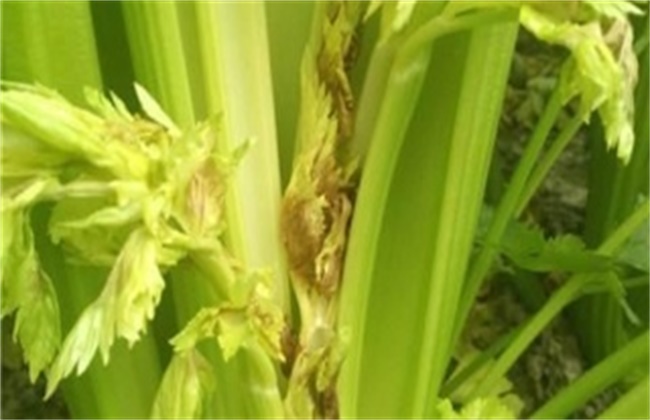
1. Applying undecomposed organic fertilizer
Organic fertilizer has a small carbon-to-nitrogen ratio and decomposes quickly. During decomposition, it locally generates high temperatures and high concentrations of chlorine and organic acids, which can easily burn vegetable roots. Unrotted farmyard manure also contains pathogens and insect eggs; if it is applied directly without any treatment, it can easily spread diseases and pests. In addition, if farmyard manure is applied and then left to decompose, it will also produce ammonia gas and burn the seedlings.
2. Over-fertilizing
Greenhouse celery is often over-fertilized. Especially when chemical fertilizer is applied all at once in excessive amounts, it easily causes fertilizer burn, making it difficult for crop roots to absorb water, leading to stunted seedlings and deformed leaves, and in severe cases causing the crops to gradually wither and die.
3. Applying only chemical fertilizer
When a certain nutrient is applied in excess, it causes celery to resist the uptake of other elements, leading to deficiency symptoms. For example, applying too much nitrogen fertilizer causes phosphorus, potassium and medium and trace elements in the soil to decline as the greenhouse ages, disrupting the soil nutrient balance and triggering various diseases. When celery is deficient in calcium, it causes tipburn; when salinity is too high, it also inhibits root uptake and use of calcium, causing physiological calcium deficiency. Applying too much potassium fertilizer reduces the availability of calcium, magnesium and boron; applying too much phosphorus fertilizer reduces the availability of calcium, zinc and boron.
4. Long-term application of chlorine-containing fertilizer
Chlorine can reduce the starch content in vegetables, lowering vegetable quality and yield, and when it remains in the soil it causes soil acidification, leading to soil calcium deficiency and soil compaction. None of these are good for the growth and development of celery, so chlorine-containing chemical fertilizers should not be applied over the long term.
The above is an introduction to the common fertilizer application mistakes in greenhouse celery. We hope it helps you. For more related knowledge, please stay tuned to us.