Pearl vegetable Planting Method and Key Technical Points
Pearl vegetable is a plant in the Primulaceae family. Because its flowers are relatively small and look somewhat like strings of white pearls, it is called pearl vegetable. Pearl vegetable has very high nutritional value and contains various nutrients, which is why it is popular with many people. Therefore, it is now widely cultivated. But how should pearl vegetable be planted? Below, the editor brings you the planting method for pearl vegetable. Let's take a look!
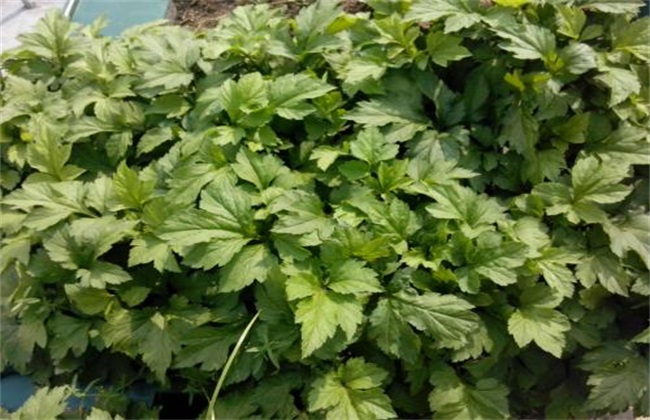
1. Propagation Methods
The propagation of pearl vegetable is generally based mainly on cuttings. There is usually no great restriction on the timing of cuttings; they can be done throughout the year, but it is best to do them in spring and autumn, because the survival rate of cuttings in these two seasons is relatively high. When taking cuttings, first select robust mother plants, then cut stems about 10 cm long with about 4 buds. Insert them directly into the seedbed; keep the insertion depth at about 2/3 of the cutting. The seedbed soil should mainly be sandy loam. Water after inserting; no topdressing is needed, just maintain moisture. In addition, division propagation and seed propagation can also be carried out.
2. Timely Transplanting
Pearl vegetable has relatively strong adaptability, because it originally belongs to an invasive species. Therefore, its requirements for soil are not very high either, but it is best to use sandy loam with high fertility and a soft texture. Then apply sufficient fully decomposed farmyard manure as base fertilizer, and deep plow and prepare the soil. When the seedlings have three true leaves and one heart leaf and are about 5 cm tall, they can be transplanted. The transplanting time can be appropriately adjusted according to the planting season. After transplanting, cultivation on high beds should be the main method, with bed width kept at about 140 cm. The plant and row spacing should be controlled at about 25 cm * 35 cm.
3. Seedling Stage Management
During the seedling stage of pearl vegetable, we should focus on doing a good job of management. When about two heart leaves have grown, thinning should begin, following the principle of removing the weak and keeping the strong, to provide sufficient growing space for healthy seedlings, with plant spacing kept at about 2 cm, while also doing a good job of weed control. When it grows to about 10 cm, pearl vegetable enters its vigorous growth period, and at this time fertilizer and water management should be done well. Ensure sufficient fertilizer and water to meet the growth needs of pearl vegetable, and also do a good job of pest and disease control to ensure healthy growth of pearl vegetable.
4. Field Management
The root system of pearl vegetable is relatively shallow, so the absorption capacity of the roots is relatively poor. Therefore, when planting pearl vegetable, the supply of fertilizer and water is very important. Only by ensuring sufficient nutrients and moisture can the yield and quality of pearl vegetable leaves be improved. When the soil is dry, water in time, about twice a day, but in the rainy season drainage work also needs to be done well. Generally, topdress about once every two weeks, mainly with urea, to encourage pearl vegetable to tiller as early as possible. Then, when pearl vegetable grows to about 15-20 cm, it can be harvested.
The above is a brief introduction to the planting method of pearl vegetable. That is all for today's introduction. This article is for reference only. Thank you for reading and supporting.