What are the control methods for low-temperature injury in corn?
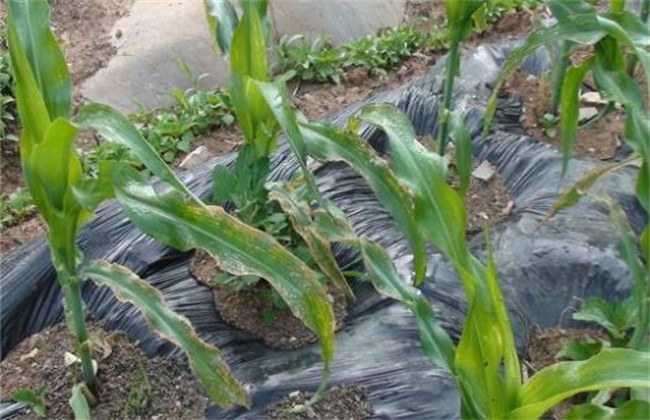
Corn is a warm-loving crop with relatively high temperature requirements. In some years, because the air temperature is relatively low, corn often suffers low-temperature chilling injury. Encountering low temperatures during the sowing and emergence stage can cause delayed emergence, weak seedlings, and a reduced seed germination rate. This phenomenon is called low-temperature injury, so what should be done about low-temperature injury in corn? Follow the editor and take a look.
1. Fine seedbed preparation
In the North, land preparation and fertilization should be done in autumn. After the soil is harrowed and compacted, ridges should be made and beds formed. Where irrigation conditions exist, bottom water should be applied well in autumn and winter, and timely compaction and fine harrowing should be done to avoid soil moisture loss, achieving level beds, fine soil, and a loose surface over a firm subsoil.
2. Select good varieties
Corn varieties differ greatly in low-temperature tolerance, so high-yield varieties suitable for the local area and tolerant of low temperatures should be selected according to local conditions. At the same time, the sowing period should be scientifically determined according to climate zoning, and sowing should be done at the appropriate time and early, so that the temperature indicators for each growth stage are met. The air temperature from sowing to emergence is best between 13-17 degrees, and must not be lower than 10 degrees. The average air temperature from emergence to silking should preferably be higher than 24 degrees, and should not be lower than 23 degrees. This favors photosynthesis, especially since higher temperatures in the later period and large day-night temperature differences are beneficial for dry matter accumulation.
3. Reasonable close planting
After emergence, thinning and final singling should be done in a timely manner to achieve a suitable density, and plastic film mulching cultivation techniques should be used, as this uses less film and is convenient to manage. Wide-narrow rows or large-small ridge planting methods can be adopted, that is, a large row spacing of 80 cm and a small row spacing of 25 cm, using 70—75 cm wide film to cover 2 rows of corn, with both sides pressed into the film by 10 cm. It is best to maintain 3800-4500 plants per mu, so that permeability is also relatively good, and the edge-row advantage can be brought into play, also increasing yield by about 10%-15%.
4. Early sowing and early film mulching
Film mulching is generally done ten days to half a month earlier than open-field cultivation. After sowing, open a ditch on each side of the ridge, about 5 cm deep, press the plastic film tightly against the ground, with appropriate tightness, and press soil firmly along the film edges, so that the light-receiving surface of the film is more than 35 cm. For those with weed problems, a chemical agent can be sprayed on the ridge surface before mulching, which can extremely well prevent weeds from growing.
The above is an introduction to the control methods for low-temperature injury in corn. I hope it can help you. To learn more related knowledge, please keep following us.