Prevention methods for pepper plants dying after transplanting
Peppers are one of the most common vegetables in our daily lives. Because temperatures are lower in winter and spring, most growers use the seedling transplanting method, and during transplanting many farmers find that their pepper seedlings die. So what causes this? Let's take a look together.
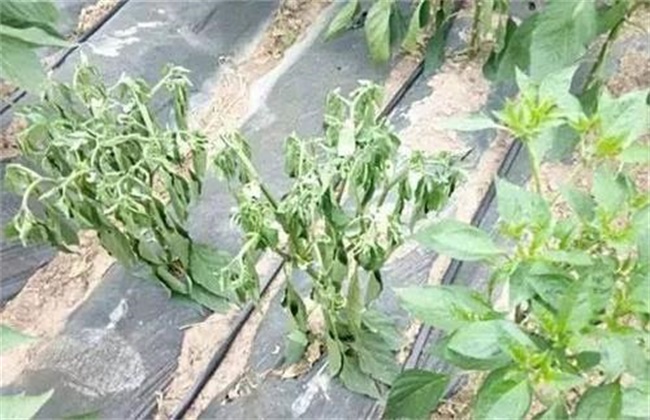
I. Causes of pepper plants dying after transplanting
1. Seedlings carrying pathogens
Peppers themselves have a relatively shallow root system, unlike the root systems of tomatoes and cucumbers, so root nurturing should be the main focus during seedling raising. If the seedbed is not properly disinfected, excessive vegetative growth will occur during the seedling stage. If pathogens are carried when the seedlings are introduced, the survival rate of pepper seedlings will inevitably be very low, so when introducing seedlings you should not only look at the variety but also observe the development of the seedlings.
2. Soil salinity damage
Farmers' long-term use of chemical fertilizers results in overly low organic matter content and poor soil aeration, and soil compaction is also one of the reasons for the low survival rate of pepper seedlings. Some farmers apply farmyard manure that is not fully decomposed, or use excessive nitrogen fertilizer, causing severe soil salinization and a low seedling survival rate.
3. Continuous cropping for many years
Continuous cropping for many years causes serious accumulation of pathogens and insect eggs in the soil. Such plots are very unfavorable for pepper growth, whereas if a rotation of more than three years is carried out with non-cruciferous vegetables, the survival rate will be greatly improved.
4. Excessive watering
During the pepper seedling stage, flood irrigation should generally not be used; instead, water little but often, and cultivate on high ridges. Too much watering causes soil moisture to become too low - especially in low ridges - making root suffocation from lack of oxygen very likely and causing pepper root rot.
5. Pests
Plots that generally use farmyard manure have relatively more pests. Soil pests directly create wounds on pepper seedlings, strengthening pathogen infection and thereby causing pepper plants to die.
II. Control methods
First, introduce sterile seedlings, especially from regular seedling-raising units; second, first use microbial agents to dip the roots or drench the roots, and for seedlings that already show wilting symptoms, promptly drench the roots with a chemical agent. For those that already show root rot, with roots turning dark brown, first drench the roots with carbendazim and hymexazol, then drench the roots with a compound microbial fertilizer, which can greatly increase the survival rate of pepper seedlings. For soil pests, avermectin organic fertilizer can be used as a top-dressing fertilizer, or avermectin can be used to drench the roots; highly toxic pesticides are strictly prohibited.
The above is an introduction to how to prevent pepper plants from dying after transplanting. We hope it helps you. To learn more related knowledge, please stay tuned to us.