What are the high-yield seedling-raising methods for carrots?
The carrot is a root vegetable with very high nutritional value, and its planting area in our country is very large. When growing carrots, the yield is certainly something everyone pays close attention to. And if you want to increase carrot yield, then the seedling-raising method is very important. So how should you raise seedlings to achieve a high carrot yield? Below, the editor brings you the high-yield seedling-raising methods for carrots. Let's take a look!
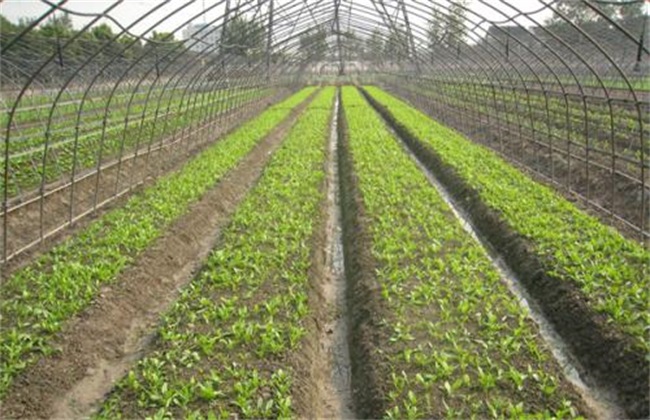
1. Seed treatment
Before raising carrot seedlings, the first thing we must do well is the work of selecting seeds. Carrot seeds must be guaranteed to be plump with a high germination and viability rate; it is best to use smooth seeds that have undergone a dehairing treatment. Then control the sowing rate properly according to the soil area. Before sowing, the seeds should also be treated properly. First, the prickly hairs on the seeds need to be removed completely. Then soak them in warm water at about 40 degrees for about two hours, then remove them and soak them in new high-fat film for half an hour. Then take them out and place them at a temperature of about 25 degrees to germinate, maintaining good humidity. When half of the seeds have sprouted white, they can be sown.
2. Land preparation and fertilization
The emergence rate of carrot seeds has a great relationship with carrot yield. Therefore, the soil preparation work is very important. First, choose soil with deep, loose, well-drained and normally irrigated layers. Then plow the soil deeply to about 30 cm, and before plowing, apply sufficient base fertilizer. The base fertilizer is mainly decomposed farmyard manure, used at a rate of about 3500 kg per mu, combined with an appropriate amount of carrot-specific fertilizer. Then harrow finely about three times, keeping the soil fine and free of clods. Finally, shape the soil into wide beds, mainly for drilling sowing.
3. Timely sowing
The best time for raising carrot seedlings is generally around February each year. If autumn sowing is needed, then sowing should be carried out in July. After the seeds are treated, dig shallow furrows, then sow along the furrows. After sowing, cover with about one centimeter of soil, then compact the soil, then water and spray an appropriate amount of new high-fat film. Before the seeds germinate, the soil should be kept in a state of being moist but not dry, to improve the emergence rate of the seeds. If it is autumn sowing, then an appropriate amount of grass material should also be covered on the bed surface, which can both keep warm and retain moisture, and also avoid soil crusting.
4. Seedling stage management
The seedling stage management of carrots is also directly related to their yield. This is especially true during the period from the appearance of the cotyledons to the appearance of the true leaves. Moreover, for autumn-sown carrots, the soil is prone to drying and heating, which leads to seedling burn, causing the death of seedlings and a decline in yield. Therefore, we should pay attention to appropriately spraying nutrients such as Diguo Zhuangdiling to enhance nutrient transport capacity, promote the expansion of underground fruits, achieve good fruit shape and strong growth, and improve root quality and yield. At the same time, attention should also be paid to keeping the soil moist to ensure the full seedling rate.
The above is a brief introduction to the high-yield seedling-raising methods for carrots. That is all for today's introduction. This article is for reference only, and I hope it can be helpful to everyone!