What to Do About Greenhouse Vegetable Gas Poisoning? Causes and Control Measures
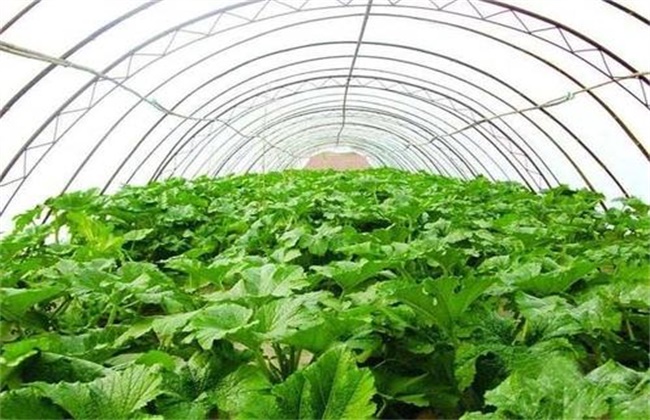
When growing vegetables in greenhouses or polytunnels in winter and spring, gas poisoning of greenhouse vegetables occurs from time to time because ventilation cannot be done in time or cultivation management measures are improper. In mild cases it causes poor plant growth and development, and in severe cases the plants wither and die. So what are the causes of gas poisoning? Let's take a look together.
I. Common Types of Gas Poisoning and Their Causes
1. Ammonia gas and nitrous acid gas
Ammonia gas and nitrous acid gas in the greenhouse mainly come from nitrogen fertilizers and organic fertilizers applied to the soil. When high temperatures occur, they decompose a large amount of ammonia gas in a short period, causing burning damage to the vegetables.
2. Toxic gas from plastic film
Some inferior plastic films release toxic gases during use, such as chlorine gas and ethylene, which can penetrate into the planting area and seriously affect the yield of vegetable varieties.
3. Smoke-forming pesticide formulations
When smoke-forming pesticide formulations are used in excess, they can also cause the top leaves and leaf margin tissues of vegetables to wilt and die, and the damage is even more severe under conditions of high temperature and high humidity.
4. Carbon monoxide and carbon dioxide gas
When coal fires are used for heating in the greenhouse, incomplete combustion or poor ventilation often leads to excessively high concentrations of carbon monoxide and carbon dioxide, causing varying degrees of harm to the normal growth of vegetables.
II. Harmful Symptoms
Generally, ammonia damage mostly occurs on the outer leaves of the plant; the affected areas become water-soaked, the leaf margins look burned, and later they gradually wilt, turn black and die. Nitrous acid generally occurs on the middle leaves of the plant; affected leaves develop water-soaked spots, and in severe cases the leaves turn white and die. When harmed by carbon dioxide gas, the leaf veins first show obvious spotted or patchy white or yellow spots, and in severe cases the entire leaf becomes a green net-like skeleton and gradually dies. Carbon monoxide poisoning causes the leaves to wither, and when the concentration is too high, the vegetables suffocate and die in a short time.
III. Control Methods
First, pay attention to ventilation and air exchange. When the temperature is too high at noon, open the vents to let the air circulate. Even on cloudy, rainy or snowy days, ventilate and exchange air as much as possible at noon to reduce the concentration of harmful gases. Next, fertilize reasonably. Mainly use decomposed farmyard manure, appropriately apply phosphorus and potassium fertilizer as a top dressing, apply as little nitrogen fertilizer as possible, and at the same time adhere to the principle of giving priority to base fertilizer and supplementing with top dressing. Try not to use toxic plastic films that have added plasticizers or stabilizers. When using coal fires for heating, try to let the fuel burn fully, and at the same time install a chimney to discharge the harmful gases out.
IV. Remedial Measures
For greenhouses where gas poisoning has already occurred, increase the ventilation volume as soon as possible and promptly remove the harmful gases. For gas damage caused by top dressing, water promptly to reduce the fertilizer concentration, or spray foliar fertilizer to enhance the plant's resistance and reduce the toxic damage. For damage caused by carbon dioxide, spray lime water or lime sulfur mixture as a remedy.
The above is an introduction to the causes of greenhouse vegetable gas poisoning and control measures. We hope it can help you. If you want to learn more related knowledge, please stay tuned to us.