What are the precautions for transplanting tomatoes? This article explains it clearly
Tomato cultivation is very common in China, and when growing tomatoes, seedling raising and transplanting are generally the main approach. When transplanting, there are many points we need to pay attention to. It is necessary to ensure that the plants do not die after transplanting, and it is also the key to ensuring high tomato yields. Therefore, the transplanting work for tomatoes is very important. So what exactly are the precautions for transplanting tomatoes? Below, the editor will give everyone a brief introduction. Let's take a look together!
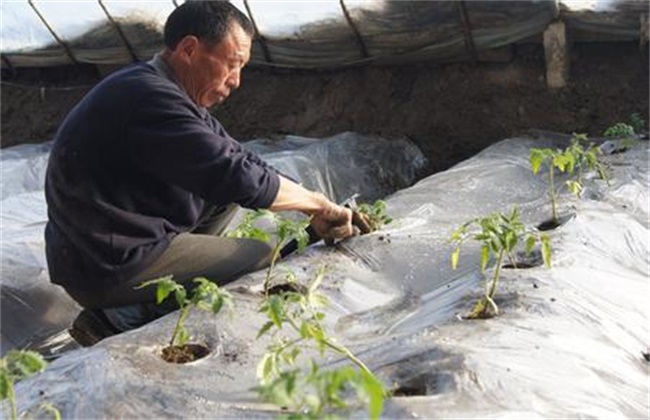
1. Soil disinfection
Most tomato plant deaths are caused by soil-borne diseases. For example, seedling-stage phytophthora blight, root rot, basal rot, and so on. Therefore, before transplanting tomatoes, we must first do a good job of soil disinfection. Eliminate bacteria, pests, and other organisms in the soil, and avoid tomatoes being harmed by diseases and pests after transplanting and planting. If the soil is not disinfected, then tomato plants are very prone to various diseases and die. Therefore, we should reasonably use chemicals such as methyl bromide and calcium cyanamide for fumigation, high-temperature greenhouse sealing, and other disinfection work.
2. Disinfection of planting holes
If the soil has not been disinfected, then the simplest way to avoid tomato plant death is crop rotation, grafting, or using disease-resistant varieties. However, the diseases that can be controlled are also limited. Therefore, we can choose to use the method of disinfecting the planting holes, applying an appropriate amount of abamectin, biological bacterial fertilizer, etc. in the holes to control underground pests. If you want to control fungi, then you can apply chemicals such as Amistar in the holes, and if you want to control bacterial diseases, then the chemicals are mainly copper hydroxide and other copper-based products.
3. Applying base fertilizer
When growing tomatoes, if you want to increase tomato yields, then applying sufficient base fertilizer when transplanting tomatoes is very important. It is necessary to ensure a certain amount of base fertilizer, mainly decomposed farmyard manure, combined with an appropriate amount of compound fertilizer and biological bacterial fertilizer, etc. Improve soil fertility and enhance the growth capacity of tomato seedlings. If conditions permit, then an appropriate amount of decomposed soybean cake fertilizer can also be added. At the same time, attention should also be paid to supplementing trace elements such as boron and zinc, as these trace elements are all very important for tomato growth.
4. Combining promotion and control
During the seedling stage after tomato transplanting, we should also pay attention to combining promotion and control. If the seedling stage is in an environment of high temperature and strong light, then it is very easy to cause excessive vegetative growth of the seedlings. At this time, we mainly focus on promoting root growth, so we should appropriately suppress the growth of the aboveground part. At the same time, increase the day-night temperature difference, and reasonably use shade nets, cooling agents, ventilation, and other measures to regulate temperature and light. In the early stage, appropriately maintain drought, do a good job of intertillage and hoeing, promote downward root growth, and ensure normal seedling growth.
The above is a brief introduction to the precautions for transplanting tomatoes. That's all for today's introduction. This article is for reference only. Thank you everyone for reading and supporting.