How to fertilize greenhouse vegetables in winter? Keep these precautions in mind
Greenhouse technology makes it possible to grow vegetables out of season, so we can eat fresh vegetables even in the cold winter, and when growing greenhouse vegetables in winter, fertilizing is an important task. Many farmers often fertilize improperly, causing soil compaction, root rot, and plant wilting, which seriously affects plant returns. So how should greenhouse vegetables be fertilized in winter? Let's take a look together.
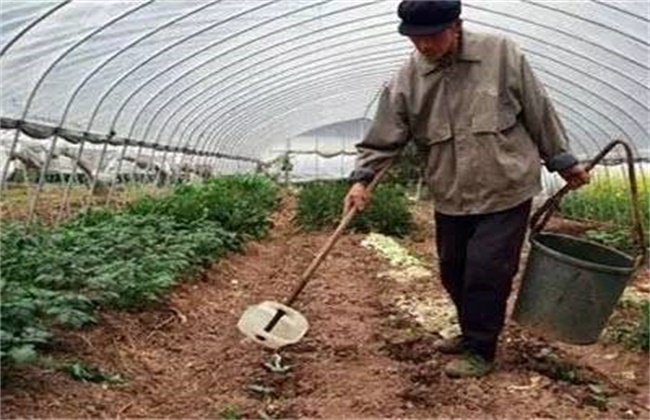
1. Combine organic fertilizer with inorganic fertilizer
Many farmers apply chemical fertilizers as the main fertilizer when flushing, which can easily lower the ground temperature, and chemical fertilizers are mostly nitrogen fertilizers such as ammonium nitrate and urea, which can make vegetables grow well in the short term but lack long-term effects, and plants are very prone to premature aging; some also apply mainly cake fertilizer and diammonium phosphate when flushing, but the results are often relatively poor, because cake fertilizer needs a period of fermentation to release its fertilizer effect, and often misses the peak period of vegetable fertilizer demand. Therefore, it is recommended to combine organic fertilizer with inorganic fertilizer, so that the fertilizer needs of vegetables at the growth stage can be met.
2. Combine topdressing with flushing fertilizer
When choosing fertilizer, it is recommended to choose multi-element compound fertilizer as the main type and adopt the method of combining topdressing with flushing fertilizer. In this way, on the one hand, it can solve the fertilizer demand problem of the roots in the surface soil, and on the other hand, it can also activate the soil layer, increase the extension area of the root system, and supplement the nutrients needed by the plants.
3. Combine biological fertilizer with chemical fertilizer
Biological fertilizer contains more than ten kinds of beneficial bacteria and has the effect of activating soil and regulating nutrients. Used together with chemical fertilizer, it can effectively prevent fertilizer damage, increase the content of soil organic matter, and promote root development. It is one of the best fertilizers for achieving balanced fertilization of greenhouse vegetables. In winter, both the air temperature and ground temperature are relatively low. Generally, after compound fertilizer dissolves, it will further lower the water temperature, and after flushing, it will further lower the ground temperature, causing harm to the vegetable root system. Moreover, the utilization rate of compound fertilizer is relatively low, so in winter topdressing, water-soluble fertilizer and microbial bacterial fertilizer should be used as the main topdressing fertilizers.
4. Combine underground topdressing with foliar fertilizer
In winter, the greenhouse temperature is low. If greenhouse vegetables are to achieve high yield, in addition to applying sufficient base fertilizer, it is also necessary to adopt the method of combining topdressing with flushing fertilizer. This not only saves time and effort, but also has relatively high fertilizer efficiency, which is conducive to improving vegetable quality. For example, vegetables in the greenhouse are very prone to deficiency of calcium, boron, iron, manganese, etc., and low-concentration calcium chloride, superphosphate, ferrous sulfate, and borax solutions can be sprayed on the leaves.
The above is an introduction to the precautions for fertilizing greenhouse vegetables in winter. I hope it can help you. To learn more related knowledge, please keep following us.