Key Field Management Techniques for Peanuts in the Mid-to-Late Stage
Peanuts are a food that everyone loves to eat. They can be eaten raw and can also be made into all kinds of small snacks, and they are also very popular in the market. Moreover, peanuts are also an oilseed crop, so there are still quite a lot of people growing peanuts now. When growing peanuts, mid-to-late stage management is very important. So how should peanuts be managed in the mid-to-late stage? Below, the editor will briefly introduce it to everyone. Let's take a look together!
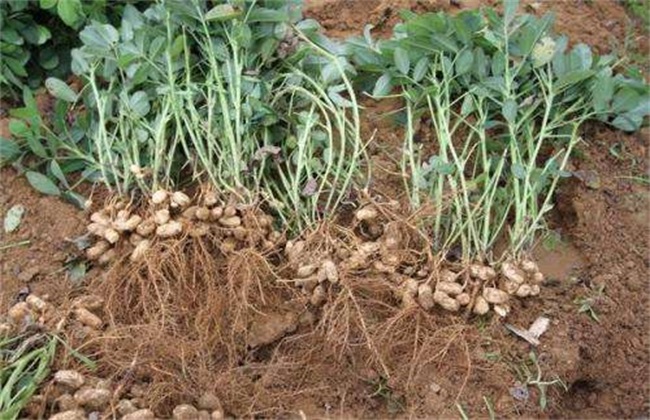
1. Reasonable watering
When peanuts enter the pegging stage and pod-setting stage, we should pay attention to controlling the field moisture content. The maximum water-holding capacity in the soil should be controlled at about 25%, and furrow irrigation and gentle watering should be the main method; do not use flood irrigation. Avoid excessive field moisture causing excessive vegetative growth of peanut stems and leaves and the appearance of rotten pods. During the pod maturation stage of peanuts, if drought occurs, then appropriate light watering should be carried out. During the swelling stage, the peanut's demand for water will increase greatly, but it is also afraid of waterlogging and rotten pods. Therefore, if rainy weather occurs, then drainage should be carried out in time. Especially in plots with heavy clay soil and flat terrain, more attention should be paid to waterlogging prevention.
2. Appropriate fertilization
In the mid-to-late stage of peanuts, the growth rate of their stems and leaves is relatively fast. In addition, the plants will flower heavily and produce pegs, and the pegs will enter the soil to form pods, so the demand for nutrients will naturally rise. At this time, if the leaf surface is pale yellow and small and the leaf veins are green, then nitrogen fertilizer should be supplemented in time. About 18 kg of nitrogen should be applied per mu. If the plants grow poorly and the leaves are blue-green and curled, then an appropriate amount of diammonium phosphate should be applied as a top dressing. If root function is poor, then potassium fertilizer should be the main focus. Finally, if the plants grow slowly and the empty-shell rate is high, calcium should be supplemented in time.
3. Control stem and leaf growth
In the mid-to-late stage of peanuts, we should control the growth of the plant stems and leaves well and avoid excessive vegetative growth. Therefore, on sunny days, the seedlings should be stepped on to press the main stem down, but care should be taken not to break it. Shorten the distance between the pegs and the ground, thereby achieving the purpose of controlling the vines and promoting root growth. Then, when the main stem of the peanut grows to about 38 cm and the daily growth amount exceeds about 1 cm, appropriate amounts of chemicals such as paclobutrazol and mepiquat chloride should be sprayed on the leaves to avoid premature leaf senescence and ensure normal peanut growth.
4. Hilling soil and weeding
Hilling soil is mainly to thicken the soil layer and advance the time for pegs to enter the soil and set fruit. Hilling soil is suitable when the rows close and some pegs have entered the soil. When hilling soil, pull the soil to both sides of the base of the peanut plants, and do not press it onto the branches and vines, then hill soil and manure about twice at intervals of around ten days. In addition, in the mid-to-late stage of peanuts, because the temperature is relatively high and there is also relatively more rain, weeds are prone to growing rampant, which will reduce field aeration and also absorb a large amount of nutrients and water, affecting pod plumpness, so we should also do a good job of weeding.
The above is a brief introduction to how to manage peanuts in the mid-to-late stage. That is all for today's introduction. This article is for reference only, and I hope it can help everyone!