Zucchini Winter Seedling Methods and Technical Key Points
Zucchini is a very common vegetable on our daily dining tables. Zucchini tastes delicious and has high nutritional value, so it is also welcomed by many people. Therefore, there are now a great many people growing zucchini, and as technology becomes more and more mature, zucchini can now also be grown in winter. So how should zucchini be raised from seed in winter? Below, the editor brings you the zucchini winter seedling-raising techniques. Let's take a look!
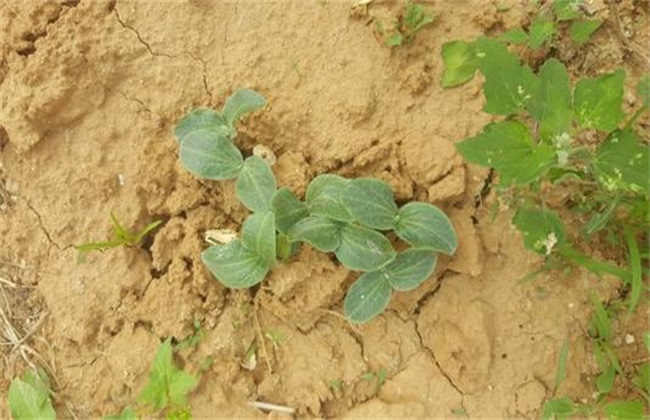
1. Land preparation and fertilization
Zucchini likes to grow in slightly acidic soil, and the soil pH suitable for its growth is generally around 6. Zucchini has a relatively strong ability to absorb nutrients, so attention should be paid to the amount of nitrogen fertilizer applied; it must not be excessive, otherwise zucchini is prone to excessive vegetative growth. This in turn causes flower and fruit drop, and even disease. When fertilizing, attention should be paid to rationally blending nitrogen, phosphorus and potassium fertilizers. Then the land preparation work must also be done well, maintaining soft soil and improving soil permeability. This promotes the growth of zucchini roots and improves the success rate of winter seedling raising.
2. Seed soaking and germination
The temperature in winter is very low, so we must also do a good job of soaking and germinating zucchini seeds. First put the seeds in clean water and remove the shriveled and immature seeds. Then wash them once, and soak the seeds in warm water at about 60°C for about 10 minutes. This eliminates pathogenic substances on the dead seed coats. Then soak the seeds in water at about 25°C for about 4 hours, take them out and dry off the moisture. Then wrap them in wet gauze and place them in a 30°C environment to germinate; when most of the seeds have sprouted white, they can be sown.
3. Sowing and seedling raising
When raising zucchini seedlings, whether using seedbed seedling raising or nutrient pot seedling raising, we had best first prepare nutrient soil, which is also a key measure to ensure the cultivation of strong seedlings. Use garden soil in which cucurbits have not been planted within three years as the main component, combine it with decomposed barnyard manure, and then add an appropriate amount of plant ash. Mix it evenly and sieve it, then make beds or fill it into nutrient pots. Once ready, sowing can be carried out; after sowing, cover with about 2 cm of fine soil. Then sprinkle an appropriate amount of methamidophos wheat bran over the bed surface for pest control, and then use a small arched shed film to seal it for heat and moisture retention until seedlings emerge.
4. Seedling temperature management
The temperature in winter is very low, so temperature management during the seedling stage is very important. After seedlings emerge, the daytime temperature should be maintained at about 22°C and must not exceed 25°C; if it exceeds this, cool it down in time. The nighttime temperature should be controlled at about 12°C, and humidity must not be too high, to avoid disease. At the same time, pest and disease prevention and control work must also be done well; agents such as thiophanate-methyl and chlorothalonil can be used for control. Ensure the seedlings grow vigorously and avoid some unnecessary losses.
The above is a brief introduction to zucchini winter seedling-raising techniques. That is all for today's introduction. This article is for reference only, and I hope it can help everyone!