Key Management Techniques After Winter Transplanting of Greenhouse Eggplant
With the advancement of agricultural technology, there are more and more off-season vegetables, which can be supplied to the market continuously throughout the year, allowing us to eat a variety of vegetables even during the off-season. Growing eggplant in winter greenhouses is also a common practice, and the management after transplanting is extremely important for a bumper eggplant harvest. How to manage it reasonably directly affects eggplant yield. Let's take a look together below.
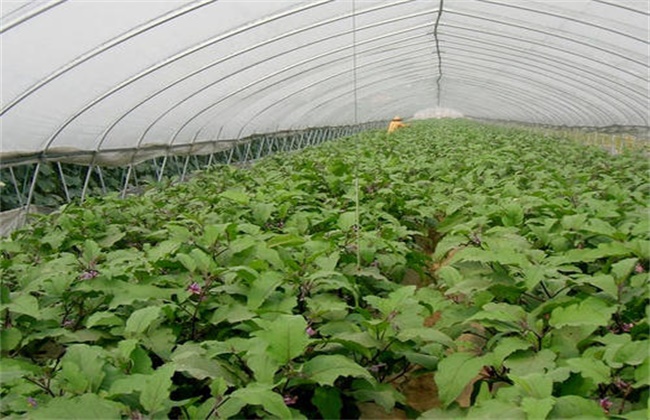
1. Greenhouse temperature management
After transplanting, eggplant has relatively high temperature requirements, as it is a warmth-loving crop. After one week, the daytime temperature should be kept at around 30 degrees, and the nighttime temperature should be kept at 15 degrees. After one week, the eggplant begins to show obvious growth, and at this time the room temperature can be appropriately lowered to prevent the plants from growing excessively. Until the eggplant sets fruit, the temperature can be maintained at around 25 degrees during the day and 12 degrees at night. At the same time, pay attention to climate changes to avoid excessively high temperatures and prevent excessive plant growth.
2. Pay attention to environmental ventilation
When the temperature and humidity inside the greenhouse are too high, diseases and pests are very likely to breed. Therefore, when the room temperature exceeds 25 degrees, ventilation is needed in a timely manner. When the nighttime temperature is above 15 degrees, appropriate ventilation is also needed. On cloudy and rainy days or after watering, the humidity inside the greenhouse will also rise relatively, and appropriate ventilation is needed at this time as well. This is especially true during early spring, which is a period of high disease incidence and makes it even easier for diseases and pests to breed. Timely ventilation is indispensable.
3. Fertilizer and water management
Eggplant grown in greenhouses does not grow very fast, and its water demand is not very large either. Small furrow irrigation is sufficient. Watering should be done in the morning on sunny days, and watering is prohibited on cloudy and rainy days or in the afternoon, as it can easily cause low-temperature rebound and damage the root system. For several days after watering, appropriate ventilation is needed, and the amount of water each time should be moderate, not too much. Eggplant yield and fertilizer are inseparable. Topdressing is needed starting before flowering, and fertilization is needed once for each harvest. Compound fertilizer or urea combined with potassium sulfate can be used. Organic fertilizer must be fully decomposed before use. Raw fertilizer or overly concentrated fertilizer should be avoided.
4. Pruning and shoot removal
To achieve high eggplant yield, pruning and shoot removal are essential. For two-stem pruning, the side shoots below the first fork can be removed together, keeping only the two side shoots that appear at the first fork. All branches that appear later during growth should also be completely removed. Like watering, eggplant pruning and shoot removal should also be done in the morning on sunny days to prevent wound infection caused by shoot removal. When removing shoots, also be careful not to cut the side shoots too close to the fruiting branch; leave a short stub, which keeps the wound away from the main stem and reduces the incidence of disease in the main stem.
The above is an introduction to management techniques after transplanting eggplant in winter greenhouses. We hope it can help you. If you want to learn more related knowledge, please stay tuned to us.