What are the control methods for deformed zucchini fruit?
Zucchini is a very common cucurbit vegetable in our daily lives, and it is basically cultivated in all parts of our country. When growing zucchini, if management is poor, many problems can arise. Deformed fruit is one of them, and deformed zucchini fruit can seriously affect the commercial value of zucchini. So how should deformed zucchini fruit be controlled? Below, the editor will briefly introduce it to everyone. Let's take a look!
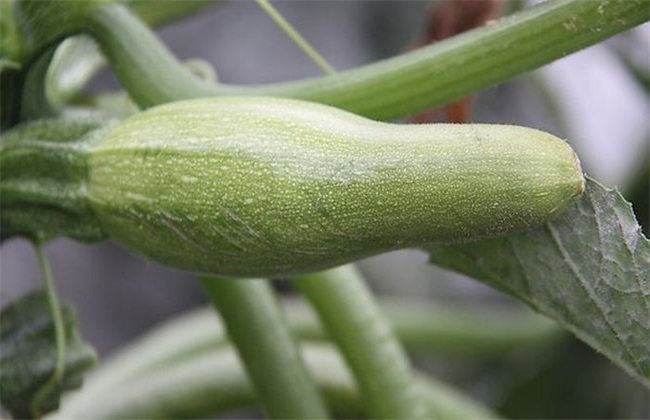
I. Causes of deformed fruit
There are many causes of deformed zucchini fruit. First, it is caused by water and fertilizer problems. In the early stage of zucchini fruit set, if water and fertilizer are insufficient, it is very easy for zucchini to develop pointed-tip fruit, and in the later stage it is prone to narrow-waist fruit. However, water and fertilizer should not be excessive either, otherwise large-belly fruit is also easily formed. Moreover, if pollination is poor and pollen distribution is uneven, the parts with insufficient pollination will become sunken. Then there is temperature. Too high or too low temperature will affect the photosynthesis of zucchini, leading to insufficient nutrition. Finally, defects in female flowers or bisexual flowers, etc., can all cause this.
II. Control methods
1. Fertilizer and water management
Zucchini has a relatively large demand for fertilizer and a very strong ability to absorb nutrients. Although it has strong drought tolerance, it needs a large amount of water during the fruit expansion stage, so care should be taken to keep the soil moist. At the same time, sufficient base fertilizer should be applied, along with an appropriate amount of nitrogen and potassium fertilizer for topdressing. After each harvest of fruit, attention should be paid to topdressing once. The base fertilizer should be mainly farmyard manure, combined with an appropriate amount of cake fertilizer, phosphate fertilizer, etc. Field moisture should be controlled dry in the early stage, while the fruiting stage should remain moist.
2. Temperature regulation
When growing zucchini, if it is early-maturing cultivation, then generally the method of plastic film greenhouses with small tunnels inside should be used for heat preservation. The suitable temperature for zucchini growth is generally around 20-30 degrees. The optimal suitable temperature is around 20 degrees, and the soil temperature should be maintained within the range of 18-23 degrees. Therefore, when growing zucchini, we should properly adjust the temperature according to weather changes. Reasonably uncover and cover the film, and especially pay attention to regulating temperature according to temperature changes and the temperature requirements of zucchini, to promote nutrient accumulation and reduce the phenomenon of deformed fruit.
3. Artificial pollination
In addition, we also need to carry out artificial pollination. Around 9 a.m. every day is generally the peak period for male zucchini flowers to open. At this time, remove the male flowers and then take out the corolla. Sprinkle the anthers onto the stigma of female flowers. Generally, one male flower can pollinate about three female flowers. It is best to do this when air humidity is relatively high, which can improve the pollination effect. Pollination should be ensured to be uniform. To ensure fruit set, hormone treatment can also be used. Use agents such as 24d and apply them to the flower stalk or ovary, but they must not touch the stems and leaves.
The above is a brief introduction to the control methods for deformed zucchini fruit. That is all for today's introduction. This article is for reference only, and I hope it can help everyone!