What causes wheat seedling death in winter and spring? How to prevent and control it
During the growth of wheat, some problems often occur, and seedling death is one of them, causing great harm to wheat growth, and the most common is wheat seedling death in winter and spring. So what causes this? Let's take a look together.
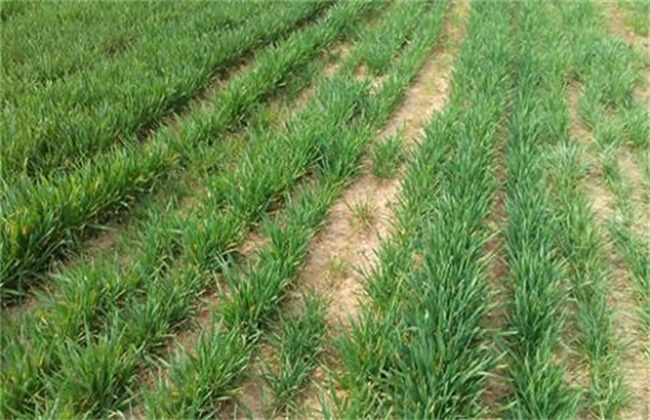
I. Causes of wheat seedling death in winter and spring
1. Internal causes
Wheat itself has relatively weak cold resistance and drought resistance. During cultivation, if varieties with poor cold resistance are used, they are very prone to freezing damage and seedling death. Some farmers sow too early, and wheat seedlings that have differentiated to the double-ridge stage before winter have weak cold resistance, and severe seedling death often occurs when freezing damage occurs; in addition, some weak seedlings from late sowing accumulate less sugar themselves, and are also very prone to seedling death when encountering cold damage and drought damage.
2. External causes
In addition to the factors of wheat itself and the variety, adverse climate, soil conditions and inappropriate cultivation measures can also cause seedling death. For example, little precipitation in summer, insufficient soil moisture, little rain or snow and many cold winds in winter and spring will aggravate soil drought, causing the tillering nodes of wheat to be in a soil layer with sudden changes between cold and warm, which can also cause physiological dehydration and death of wheat.
II. Measures to reduce seedling death
1. Select cold-resistant varieties
Selecting varieties with strong overwintering ability and good cold resistance is the most effective measure to prevent freezing damage and seedling death. When introducing varieties in various places, the first thing is to understand their quality adaptability. While considering yield, cold resistance must also be considered, and the selected variety should at least overwinter safely in most years locally.
2. Irrigation at the seedling stage
For early-sown wheat fields sown with suitable moisture, watering can be done at the tillering stage. If soil fertility is insufficient, a small amount of chemical fertilizer can be appropriately applied as a top dressing to promote early seedling development and help the seedlings overwinter safely. For the management of late-sown wheat fields, the main focus should be on increasing ground temperature and preserving moisture. Intertillage and loosening the soil can be carried out, and watering should not be done at the seedling stage, otherwise it will lower the ground temperature and affect seedling growth.
3. Timely winter irrigation
Winter irrigation can form a good soil moisture environment, regulate soil nutrients in the plow layer, increase the heat capacity of the soil, promote plant rooting and more tillering, and cultivate strong seedlings. Irrigating with overwintering water is not only beneficial for overwintering and preserving seedlings, but can also reduce the adverse effects brought by cold damage in early spring, drought damage and drastic temperature changes. It is an important measure to prevent wheat seedling death in winter and spring.
4. Timely compaction
Compaction can break up soil clods and firm the soil, allowing wheat roots and soil to combine tightly, promoting root development, and also has the effect of raising moisture and preserving moisture.
5. Timely covering
In winter, spreading sand to cover wheat and covering wheat with broken soil can deepen the burial depth of tillering nodes and protect the leaves near the ground layer, reduce soil moisture evaporation, improve the moisture status at the tillering nodes, and play a role in heat preservation and freezing prevention. Generally, covering with 1-2 cm of soil can achieve a very good effect of preventing freezing and preserving seedlings.
The above is an introduction to the causes of wheat seedling death in winter and spring and the prevention and control measures. I hope it can help you. If you want to learn more related knowledge, please stay tuned to us.